
In a world where personal safety and empowerment are more essential than ever, unlocking your confidence through proper training is key. “Unlock Your Confidence: The Ultimate Guide to Carry and Concealed Classes for Every Lifestyle” is your comprehensive roadmap to understanding the ins and outs of responsible firearm ownership. Whether you’re a seasoned enthusiast or a curious newcomer, this guide demystifies the process of selecting the right class to suit your needs. From practical tips on the fundamentals of carrying and concealed practices to insights into the legal landscape, you’ll gain clarity and confidence to navigate your journey. Embrace freedom and security in everyday life by enhancing your skills and knowledge—empower yourself with the confidence to carry with purpose and peace of mind. Dive in and discover how to integrate these invaluable classes into your lifestyle, allowing you to not only protect yourself but also inspire those around you. Your path to self-assurance begins here!
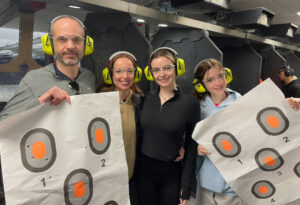
Understanding the Importance of Carry and Concealed Classes In today’s rapidly changing world, personal safety and a sense of empowerment have become paramount. The ability to protect oneself and loved ones is an invaluable skill, and carry and concealed classes play a pivotal role in this endeavor. These classes are designed to educate individuals on the responsible ownership and use of firearms. By understanding the importance of these classes, one can appreciate the depth of knowledge and skills they impart, ensuring that individuals are well-prepared for any situation that may arise.
Carry and concealed classes provide a structured environment where individuals can learn the fundamentals of firearm safety, handling, and legal considerations. These classes are not just about learning to shoot; they encompass a comprehensive understanding of the responsibilities that come with carrying a concealed weapon. From situational awareness to conflict de-escalation techniques, these classes equip participants with the tools necessary to make informed decisions under pressure.
Moreover, these classes foster a sense of community and support among participants. By training alongside others, individuals can share experiences, learn from one another, and build a network of like-minded people who value safety and responsibility. This sense of camaraderie can be particularly empowering, as it reinforces the idea that one is not alone in their journey toward personal protection and confidence.
When it comes to carry and concealed classes, there is no one-size-fits-all approach. Various types of classes are available to cater to different needs, skill levels, and lifestyles. Understanding the options available can help individuals select the class that best suits their requirements and goals.
Basic carry and concealed classes are ideal for beginners who are new to firearms. These classes cover the essentials of firearm safety, handling, and maintenance. Participants learn about the different types of firearms, their components, and how to safely load, unload, and store them. Additionally, these classes often include an introduction to marksmanship, teaching participants the fundamentals of aiming and shooting accurately.
For those with some experience, intermediate and advanced classes offer more in-depth training. Intermediate classes build on the basics, introducing more complex scenarios and techniques. Participants may practice shooting from different positions, engaging multiple targets, and handling malfunctions. Advanced classes, on the other hand, focus on tactical training and situational awareness. These classes often simulate real-life scenarios, helping participants develop the skills and mindset needed to respond effectively in high-stress situations.
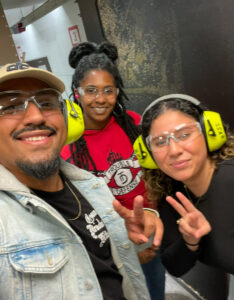
Specialized classes are also available for individuals with specific needs or interests. For example, women-only classes provide a comfortable and supportive environment for female participants. These classes address unique concerns and challenges that women may face and often include additional topics such as self-defense techniques. Other specialized classes may focus on concealed carry for law enforcement officers, private security personnel, or those with physical disabilities.
One of the most critical aspects of carrying a concealed weapon is understanding the legal landscape. Laws and regulations governing concealed carry vary significantly from one jurisdiction to another, and it is essential for individuals to be well-informed about the rules that apply to them. Carrying a concealed weapon without proper knowledge of the law can lead to severe legal consequences, including fines, imprisonment, and the loss of firearm privileges.
Before enrolling in a carry and concealed class, individuals should familiarize themselves with the legal requirements in their area. This may include obtaining a concealed carry permit, completing a background check, and meeting specific training requirements. It is also important to understand where concealed carry is permitted and where it is prohibited. For example, many jurisdictions restrict the carrying of concealed weapons in places such as schools, government buildings, and private properties that have posted no-carry signs.
In addition to local laws, individuals should also be aware of federal regulations that govern firearm ownership and use. The National Firearms Act, the Gun Control Act, and the Brady Handgun Violence Prevention Act are just a few examples of federal laws that impact concealed carry. Understanding these regulations can help individuals navigate the complexities of firearm ownership and ensure they remain in compliance with the law.
Another important consideration is the legal concept of self-defense. Laws regarding the use of deadly force in self-defense situations vary by state, and it is crucial for individuals to understand the legal justifications and limitations. Many carry and concealed classes include a legal component, where instructors discuss relevant laws and case studies. This knowledge can help individuals make informed decisions and act within the bounds of the law if they ever find themselves in a self-defense situation.
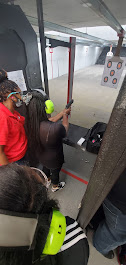
Selecting the right carry and concealed class is a personal decision that should be based on an individual’s lifestyle, experience level, and goals. With a variety of classes available, it is important to take the time to research and choose the one that best aligns with your needs.
For beginners, starting with a basic class is often the best approach. These classes provide a solid foundation in firearm safety and handling, making them suitable for those who are new to firearms. Basic classes are typically shorter in duration and less expensive, making them an accessible option for those who want to get started without a significant commitment.
For individuals with some experience, intermediate and advanced classes offer an opportunity to build on existing skills and gain more specialized knowledge. These classes are ideal for those who want to enhance their proficiency and confidence in carrying a concealed weapon. When selecting an intermediate or advanced class, consider the specific areas you want to focus on, such as tactical training, situational awareness, or marksmanship.
Lifestyle considerations should also play a role in choosing the right class. For example, women may prefer to enroll in women-only classes, which provide a supportive and comfortable environment to learn and practice. Individuals with physical disabilities may benefit from specialized classes that address their unique needs and challenges. Additionally, some classes are designed for specific professions, such as law enforcement or private security, and may include training that is relevant to those roles.
It is also important to consider the credentials and experience of the instructors. Look for classes taught by certified instructors with a proven track record of training and experience. Reading reviews and seeking recommendations from trusted sources can also help you make an informed decision. Ultimately, the right class is one that aligns with your goals, fits your lifestyle, and is taught by knowledgeable and experienced instructors.
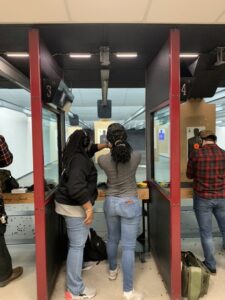
Enrolling in a carry and concealed class is a significant step toward responsible firearm ownership and personal protection. Understanding what to expect in these classes can help individuals prepare and make the most of their training experience.
Carry and concealed classes typically begin with an introduction to firearm safety. Participants learn the fundamental rules of safe gun handling, including how to safely load, unload, and store firearms. Instructors emphasize the importance of treating every firearm as if it is loaded, keeping the muzzle pointed in a safe direction, and being aware of one’s target and what lies beyond it. This foundational knowledge is critical for preventing accidents and ensuring the safe use of firearms.
Next, participants are introduced to the basics of marksmanship. This includes learning about proper grip, stance, sight alignment, and trigger control. Instructors provide hands-on guidance and feedback to help participants develop their shooting skills. Many classes include live-fire exercises, where participants practice shooting at targets under the supervision of an instructor. These exercises help individuals build confidence and improve their accuracy.
In addition to firearm handling and marksmanship, carry and concealed classes often cover legal and ethical considerations. Instructors discuss the laws and regulations governing concealed carry, as well as the legal principles of self-defense. Participants learn about the responsibilities that come with carrying a concealed weapon and the importance of making informed decisions in high-stress situations. This legal component is essential for ensuring that individuals understand their rights and obligations as firearm owners.
Finally, many carry and concealed classes include practical exercises and scenario-based training. Participants may practice drawing and holstering their firearm, engaging multiple targets, and responding to simulated threats. These exercises help individuals develop the skills and mindset needed to respond effectively in real-life situations. By the end of the class, participants should have a solid understanding of firearm safety, handling, and the legal aspects of concealed carry, as well as practical experience in applying their skills.
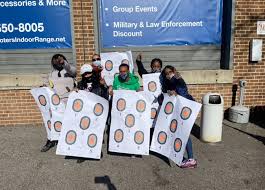
Carry and concealed classes are designed to impart a wide range of essential skills that are crucial for responsible firearm ownership and personal protection. These skills go beyond basic marksmanship and encompass various aspects of safety, situational awareness, and decision-making.
One of the most important skills learned in carry and concealed classes is situational awareness. Situational awareness involves being mindful of one’s surroundings, recognizing potential threats, and understanding how to respond appropriately. Instructors teach participants how to assess their environment, identify potential dangers, and develop strategies for avoiding or mitigating threats. This skill is critical for preventing dangerous situations and ensuring that individuals can make informed decisions under pressure.
Another essential skill is conflict de-escalation. Carrying a concealed weapon comes with significant responsibilities, and using deadly force should always be a last resort. Instructors teach participants how to use verbal and non-verbal communication techniques to de-escalate potentially violent situations. This includes understanding body language, maintaining a calm and assertive demeanor, and knowing how to defuse conflicts without resorting to force. These skills are invaluable for preventing situations from escalating to the point where the use of a firearm becomes necessary.
Firearm handling and marksmanship are also key components of carry and concealed classes. Participants learn how to safely load, unload, and store their firearms, as well as how to maintain them in good working condition. Proper grip, stance, sight alignment, and trigger control are essential for accurate shooting, and instructors provide hands-on guidance to help participants develop these skills. Live-fire exercises and scenario-based training further enhance participants’ ability to handle their firearms effectively and respond to real-life threats.
Finally, legal knowledge is an essential skill learned in carry and concealed classes. Understanding the laws and regulations governing concealed carry, as well as the legal principles of self-defense, is critical for responsible firearm ownership. Instructors discuss relevant laws, case studies, and ethical considerations, ensuring that participants are well-informed and able to make legally sound decisions.
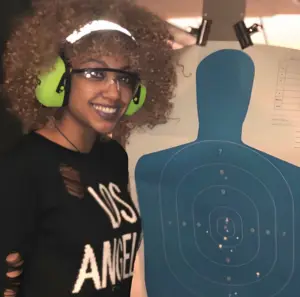
Safety is the cornerstone of responsible firearm ownership, and it plays a central role in carry and concealed classes. These classes emphasize the importance of safe gun handling, storage, and use, ensuring that participants are well-prepared to carry a concealed weapon responsibly.
One of the fundamental principles of firearm safety is treating every firearm as if it is loaded. This mindset helps prevent accidental discharges and reinforces the importance of handling firearms with care and caution. Instructors teach participants to always keep the muzzle pointed in a safe direction, keep their finger off the trigger until ready to shoot, and be aware of their target and what lies beyond it. These basic safety rules are essential for preventing accidents and ensuring the safe use of firearms.
Proper storage is another critical aspect of firearm safety. Carry and concealed classes teach participants how to securely store their firearms when they are not in use. This includes using gun safes, lockboxes, and other secure storage solutions to prevent unauthorized access. Safe storage is particularly important in households with children, as it helps prevent accidental injuries and ensures that firearms are only accessible to responsible adults.
In addition to safe handling and storage, carry and concealed classes emphasize the importance of mental and emotional preparedness. Carrying a concealed weapon comes with significant responsibilities, and individuals must be mentally and emotionally prepared to make informed decisions in high-stress situations. Instructors teach participants how to stay calm and focused under pressure, assess their environment, and respond appropriately to potential threats. This mental and emotional preparedness is critical for ensuring that individuals can act responsibly and effectively in self-defense situations.
Finally, ongoing training and practice are essential for maintaining firearm safety. Skills can deteriorate over time, and regular practice is necessary to keep them sharp. Carry and concealed classes often include recommendations for continued training, such as advanced classes, range practice, and participation in shooting sports. By prioritizing safety and committing to ongoing training, individuals can ensure that they are well-prepared to carry a concealed weapon responsibly.
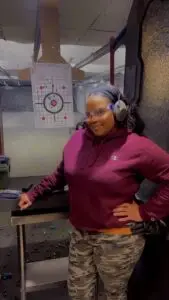
Completing a carry and concealed class is just the beginning of the journey toward responsible firearm ownership and personal protection. Maintaining and enhancing the skills learned in class requires ongoing practice, training, and commitment.
Regular practice at the shooting range is one of the most effective ways to maintain and improve marksmanship skills. Visiting the range on a consistent basis allows individuals to practice their shooting techniques, test their accuracy, and build muscle memory. Many ranges offer memberships, discounts, and special events that can make regular practice more accessible and enjoyable. Additionally, participating in shooting competitions or joining a shooting club can provide valuable opportunities for friendly competition and skill development.
Advanced training classes are another excellent way to continue building skills after completing a basic carry and concealed class. These classes offer more specialized instruction in areas such as tactical shooting, defensive tactics, and advanced marksmanship. By enrolling in advanced classes, individuals can deepen their knowledge, refine their techniques, and stay current with the latest best practices in firearm training.
Dry-fire practice is a valuable tool for maintaining firearm skills without the need for live ammunition. Dry-firing involves practicing shooting techniques with an unloaded firearm, allowing individuals to work on their grip, stance, sight alignment, and trigger control. Many instructors recommend incorporating dry-fire practice into a regular training routine, as it helps reinforce muscle memory and improve overall proficiency. There are also various training aids and tools available, such as laser training devices and snap caps, that can enhance dry-fire practice.
Staying informed about changes in firearm laws and regulations is also crucial for responsible firearm ownership. Laws governing concealed carry can change over time, and it is important to stay up-to-date with any new requirements or restrictions. Joining firearm advocacy organizations, subscribing to relevant publications, and attending legal seminars can help individuals stay informed and ensure they remain in compliance with the law.
Finally, maintaining a mindset of continuous improvement and responsibility is key to long-term success. Carrying a concealed weapon comes with significant responsibilities, and individuals should prioritize safety, training, and ethical decision-making. By committing to ongoing practice, education, and self-improvement, individuals can ensure that they are well-prepared to carry a concealed weapon responsibly and effectively.

The true test of the skills learned in carry and concealed classes comes when they are applied in real-life scenarios. These situations can range from everyday encounters to high-stress self-defense situations, and the ability to respond effectively can make all the difference.
One common real-life scenario involves situational awareness and conflict de-escalation. For example, an individual may find themselves in a crowded public place where tensions are running high. By using the situational awareness skills learned in class, they can recognize potential threats and avoid dangerous situations. If a conflict arises, they can use de-escalation techniques to calm the situation and prevent it from escalating to the point where the use of a firearm becomes necessary.
Another scenario involves the use of a concealed weapon in self-defense. For example, an individual may be confronted by an armed attacker in a parking lot. In this high-stress situation, the skills learned in carry and concealed classes become critical. The individual must quickly assess the threat, draw their firearm, and respond effectively to protect themselves. The marksmanship, situational awareness, and decision-making skills learned in class can help them navigate this scenario with confidence and competence.
Home defense is another common scenario where carry and concealed skills can be applied. For example, an individual may hear an intruder breaking into their home in the middle of the night. By using the firearm handling and situational awareness skills learned in class, they can secure their firearm, assess the situation, and take appropriate action to protect themselves and their family. This may involve calling the police, securing a safe room, or confronting the intruder if necessary.
Finally, everyday encounters can also provide opportunities to apply the skills learned in carry and concealed classes. For example, an individual may be approached by a suspicious person while walking to their car. By using the situational awareness skills learned in class, they can recognize the potential threat and take proactive steps to avoid a dangerous situation. This may involve changing their route, seeking help from nearby individuals, or preparing to defend themselves if necessary.
In all of these scenarios, the skills learned in carry and concealed classes can make a significant difference in the outcome. By prioritizing safety, situational awareness, and responsible decision-making, individuals can navigate real-life situations with confidence and competence.
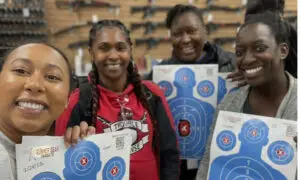
Unlocking your confidence through carry and concealed classes is a journey that involves education, practice, and a commitment to responsibility. These classes provide a comprehensive understanding of firearm safety, handling, and legal considerations, equipping individuals with the skills and knowledge needed to protect themselves and their loved ones.
By understanding the importance of carry and concealed classes, exploring the different types available, and choosing the right class for your lifestyle, you can embark on a path toward responsible firearm ownership. The skills learned in these classes, including situational awareness, conflict de-escalation, and marksmanship, are essential for effective self-defense and personal protection.
Safety is the cornerstone of carrying a concealed weapon, and carry and concealed classes emphasize the importance of safe gun handling, storage, and use. Maintaining and enhancing these skills requires ongoing practice, advanced training, and a commitment to staying informed about changes in firearm laws and regulations.
Real-life scenarios provide opportunities to apply the skills learned in class, from everyday encounters to high-stress self-defense situations. By prioritizing safety, situational awareness, and responsible decision-making, individuals can navigate these scenarios with confidence and competence.
Ultimately, empowering yourself through education and practice is about more than just learning to carry a concealed weapon. It is about embracing a mindset of responsibility, continuous improvement, and a commitment to personal protection. By investing in your skills and knowledge, you can unlock your confidence and inspire those around you, creating a safer and more empowered community. Your journey toward self-assurance begins here. Embrace the opportunities for growth and empowerment that carry and concealed classes offer, and take the first step toward unlocking your confidence today.