People we aim to serve 2026
0
People Trained this year
0
Communities Served
0
VETERAN-OWNED SINCE 2012

Community Outreach • Free Quarterly Training

Trouble Defense LLC Community Safety Initiative

Free active shooter preparedness training for nonprofits and community organizations.

Every quarter, we select a community-serving organization to receive an instructor-led Civilian Response to Active Shooter Events (CRASE) seminar—at no instructor cost to the selected group.

Virginia • Maryland • Washington, DC Virtual options nationwide No firearms or range required
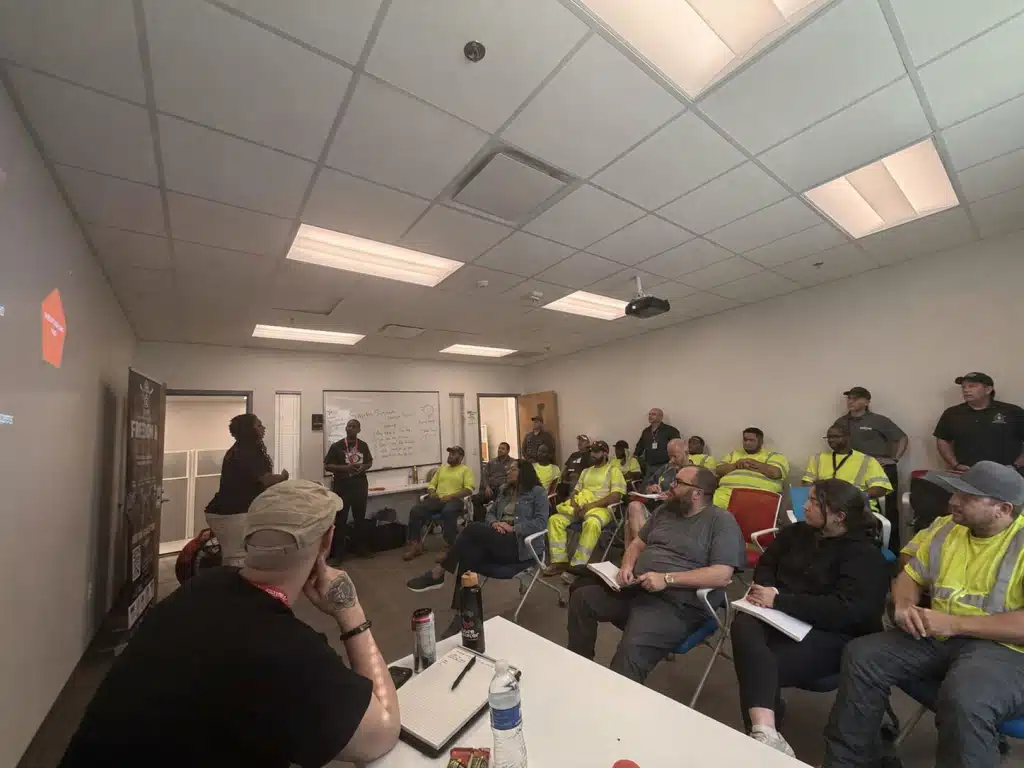
Trouble Defense instructor speaking with employees in a safety preparedness classroom training session
Real Trouble Defense training A photograph from our organizational preparedness work; not a photo of a free initiative session.
450+ Google ReviewsEstablished training reputation • Learn about us
Veteran-Owned Since 2012CRASE and community safety education
Our Annual Commitment

A real commitment.
Measurable community goals.

We believe access to safety education shouldn't depend on an organization's budget. These figures describe the initiative's goals and program structure—not a claim about already-completed classes.

$0

Instructor fee

For a selected community organization's approved seminar

4

Seminars planned yearly

One community organization selected each quarter

100+

Annual participant goal

Community members we aim to reach through donated training

2–4

Hours of education

Typical seminar length, adjusted to the selected audience

Our goal is to provide practical emergency-preparedness education. Training cannot guarantee a particular outcome during an emergency.

Why We Give Back

Safety education should reach every community.

Churches, youth programs, charitable groups, volunteer organizations, and neighborhood associations serve people every day. Yet some do not have the resources to bring in professional instructors for emergency-preparedness education.

The Trouble Defense Community Safety Initiative helps close that gap. We donate our instructional time to one selected organization each quarter, focusing on practical information participants can discuss, plan for, and apply to their own circumstances.

Our emphasis is on awareness, communication, and thoughtful decision-making—not fear, sensational scenarios, or firearms proficiency.

Our mission: help at least 100 people each year access no-cost community preparedness education.

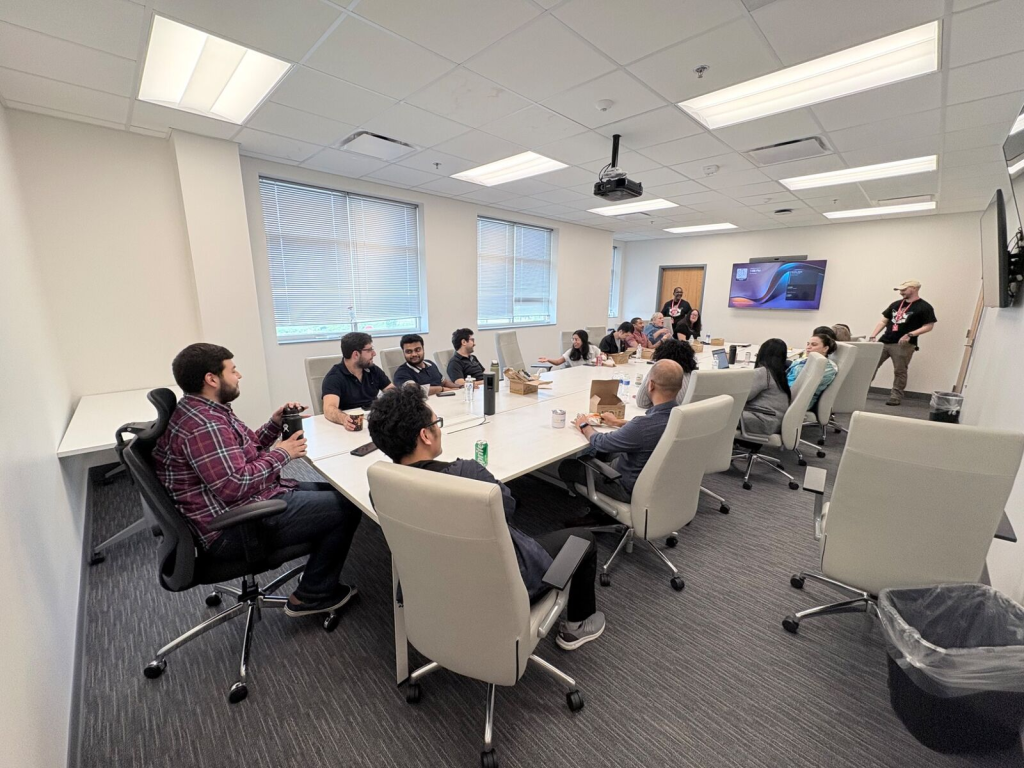
Participants gathered around a conference table for a Trouble Defense organizational safety class
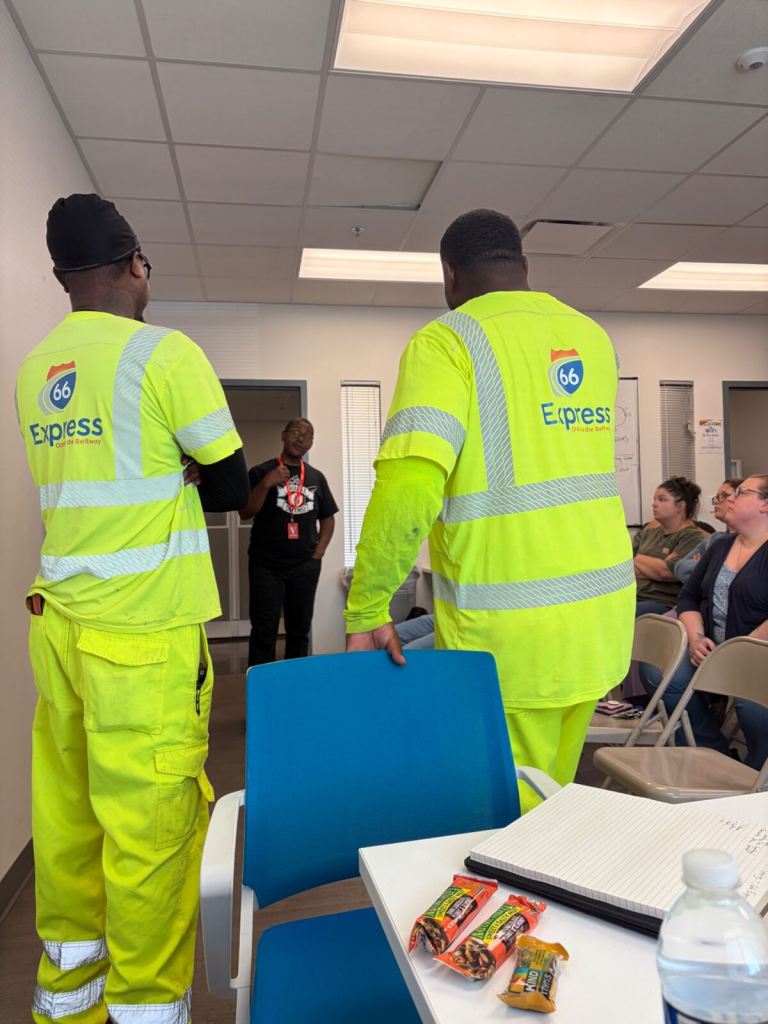
Employees and instructor taking part in a Trouble Defense workplace emergency preparedness discussion

Actual photos from Trouble Defense organizational safety training programs, used to illustrate our teaching approach.

What Selected Organizations Receive

Practical training. Useful conversations. Better preparation.

The instructor-led CRASE seminar introduces civilian response concepts in a professional, approachable format. Content is adapted to the audience, space, and agreed scope.

Understanding Active Threats

Learn what an active-threat event is and why advance preparation, clear expectations, and appropriate response choices matter.
Situational Awareness

Discuss surroundings, exits, warning signs, and appropriate ways to report or communicate concerns.

Civilian Response Options

Understand the broad principles often described as Avoid, Deny, Defend and Run, Hide, Fight.

Emergency Communication

Explore how participants can identify relevant alerts, contact emergency services, and follow their organization's procedures.

Decisions Under Stress

Consider how time pressure and incomplete information can affect decision-making during an emergency.

Q&A and Completion Materials

Ask questions, discuss preparedness actions, and receive participation documentation when applicable.

This is not a firearms class.

No firearm handling, ammunition, range access, or live-fire exercise is part of the donated CRASE seminar.

Eligibility

If you serve people,
we want to hear from you.

The free quarterly initiative is intended for nonprofits and organizations whose work benefits the community. Examples include:

  • Nonprofit organizations
  • Churches & faith groups
  • Youth-serving groups
  • Community centers
  • Veteran organizations
  • Civic associations
  • Charitable foundations
  • Volunteer networks
  • Educational support groups
  • Other community groups
Simple Application Process

Four steps from interest to education.

Applying takes only a few minutes. Selection is competitive and submitting an application does not guarantee a free session.

01

Tell us about your group

Share your organization's mission, contact details, approximate attendance, and why the training would be helpful.

02

We review applications

Applications are accepted throughout the year, with one organization selected each quarter according to program priorities.

03

Coordinate the details

If selected, we'll discuss the audience, facility, location, scheduling, training scope, and any accessibility requests.

04

Host your seminar

Participants receive a professional preparedness session, time for questions, and documentation where applicable.

How selection works: We consider community impact, financial need, the number of people who may benefit, geographic fit, mission alignment, and the group's ability to organize and host the seminar.

Concept 01

Avoid / Run

Recognizing opportunities to get away from danger when it is safe and appropriate to do so.

Concept 02

Deny / Hide

Understanding sheltering and separating oneself from a threat when evacuation is not possible.

Concept 03

Defend / Fight

Understanding this as a last-resort concept when immediate personal safety is at stake.

The terms above are commonly used educational frameworks, not a one-size-fits-all script. Training should complement your organization's emergency plan and guidance from local authorities.

Program Calendar

Quarterly selection & application schedule.

Applications are welcome year-round. Below is the quarterly schedule currently published for the initiative; confirm the next available selection window with our team.

Q1Jan – Mar
Apply by
December 15*
Selection
Early January
Training window
January – March
Q2Apr – Jun
Apply by
March 15
Selection
Early April
Training window
April – June
Q3Jul – Sep
Apply by
June 15
Selection
Early July
Training window
July – September
Q4Oct – Dec
Apply by
September 15
Selection
Early October
Training window
October – December

*Q1's December 15 deadline falls in the prior calendar year. Dates and availability are subject to change. Applications are accepted year-round; an application is not a guarantee of selection.

Take the First Step

Apply for a free CRASE seminar.

Tell us about the people you serve and the impact this safety training could have on your community. One organization is selected each quarter.

  • Organization name and type
  • Primary contact and email address
  • Expected number of participants
  • How the seminar would help your community
  • Whether your group has an appropriate training space

Questions first? info@troubledefense.com
Or call (703) 835-0692.

Community Safety Initiative Application

Share your organization's details for consideration. Submission does not guarantee selection.

Apply by email
If the online form is not available, you can prepare an application email that asks for the same core information. Your email application is sent only when you review and send it from your own email app.

Prepare Application Email

Your details are used to review and coordinate your request. For questions about personal information, contact Trouble Defense directly.
What is the Trouble Defense Community Safety Initiative?
It is a community outreach program through which Trouble Defense LLC selects one nonprofit or community-serving organization each quarter to receive a free, instructor-led Civilian Response to Active Shooter Events (CRASE) seminar.
Is the quarterly CRASE seminar really free?
Yes. The approved, selected organization pays no instructor fee for the donated seminar. The organization should confirm any venue, technology, travel, or other logistical arrangements with Trouble Defense before the event.
Who can apply for free active shooter preparedness training?
Nonprofits, churches, youth-serving organizations, community centers, veteran groups, volunteer groups, civic associations, charitable foundations, educational support organizations, and similar community-serving groups are welcome to apply.
Do we need to be a registered 501(c)(3) nonprofit?
The published eligibility list includes community-serving organizations beyond charities. If your organization is not a registered 501(c)(3), explain its community mission in the application so your request can be reviewed.
Is there a minimum group size?
A group of at least 20 participants is preferred, because the goal is to create a meaningful community impact. You may still describe a smaller group and its needs when applying; selection is not guaranteed.
How long is the free training session?
The typical seminar lasts approximately two to four hours. The final format and duration depend on the audience, location, availability, and agreed training content.
Where is the training held?
In-person seminars generally take place at the selected organization's suitable facility or an approved location coordinated in advance. Our main service area is Virginia, Maryland, and Washington, DC. Virtual options may be available nationwide.
Can an organization outside Virginia, Maryland, or DC apply?
Yes. If you're outside our primary in-person service area, ask about a virtual option. Availability and suitability depend on the group and selected materials.
What is CRASE, and what will attendees learn?
CRASE stands for Civilian Response to Active Shooter Events. The seminar explains general preparedness topics such as situational awareness, understanding active threats, emergency communication, response options, decision-making under stress, and questions from participants.
What is the difference between Avoid, Deny, Defend and Run, Hide, Fight?
These are two commonly used ways of describing broad civilian response concepts. The wording differs, but both emphasize awareness, identifying opportunities to get away, understanding sheltering options, and treating physical resistance as a last resort. Your organization's policies and local emergency guidance remain important.
Will anyone need to bring a firearm or visit a shooting range?
No. The free CRASE seminar is classroom-based emergency-preparedness education. It does not require firearm ownership or include firearm handling, live-fire exercises, or range instruction.
Is previous safety or security training required?
No. The program is designed to be approachable for the general public, employees, volunteers, and organizational leaders who have no previous specialized training.
Can youth organizations apply, and can minors attend?
Youth-serving organizations can apply. If minors would attend, please include their approximate ages and adult-supervision arrangements so Trouble Defense can review the requested audience and whether an age-appropriate format is suitable.
Can we request accessibility accommodations?
Yes. Include anticipated accessibility, mobility, communication, or learning needs during the coordination process. Available arrangements are discussed with the selected organization before scheduling.
What is the host organization responsible for?
The selected group typically coordinates participants, appoints a main contact, provides a suitable training room or helps arrange an approved venue, and shares event details with attendees. Specific technology and accessibility arrangements are agreed upon in advance.
Will participants receive a certificate?
Completion or attendance certificates may be offered when appropriate to the selected seminar. This educational training is not a government license, firearms permit, or professional credential.
How do you select the quarterly organization?
Applications are reviewed for community need, anticipated attendance, mission alignment, financial circumstances, location, readiness to host, and the overall opportunity to improve preparedness. One organization is selected per quarter.
When are application deadlines?
The published quarterly deadlines are December 15 for Q1 of the following year, March 15 for Q2, June 15 for Q3, and September 15 for Q4. Applications are accepted year-round; confirm current selection dates with Trouble Defense. View the complete schedule.
How and when will our organization hear back?
Selected organizations are contacted using the information provided so that logistics can be discussed. Review and response timing may vary. If your plans are time-sensitive, contact the team before applying.
Are group photos, social media posts, testimonials, or Google reviews required?
No. Any feedback, recognition, or photographs should be voluntary and reflect the organization's genuine experience. Consent should be obtained before identifiable participants are photographed or featured.
Can a private business apply for this free program?
The donated quarterly initiative prioritizes nonprofit and community-serving organizations. Businesses can request a separate quote for corporate active shooter preparedness and workplace safety training.
Can individuals register for a free seat without an organization?
This initiative selects organizations to host seminars rather than offering an ongoing public individual-registration schedule. Contact us if you're looking for community preparedness training opportunities.
Can our business or organization sponsor a future seminar?
Yes—contact us to discuss supporting community outreach through a possible venue, event partnership, sponsorship, or related resource. Sponsorship arrangements are discussed individually and do not determine seminar eligibility.
How do we apply or ask a question?
Use the Community Safety Initiative application on this page. You can also email info@troubledefense.com or call (703) 835-0692 to discuss the program.
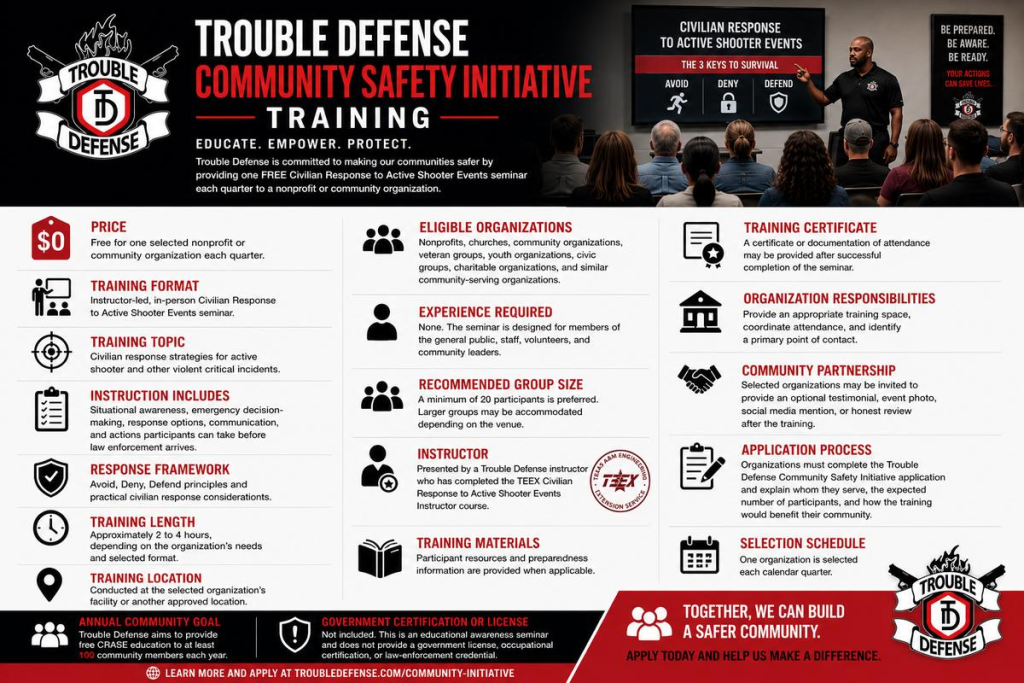
Trouble Defense Community Safety Initiative information graphic showing the free quarterly CRASE seminar, eligible community organizations, and safety education goals
Official Trouble Defense Community Safety Initiative overview. Full program details are also available in the accessible text above.
Community Partners & Supporters

Help us reach the next community.

The strongest community safety efforts bring people together. Churches, nonprofits, businesses, donors, volunteers, and neighborhood groups can help expand awareness of the free seminar opportunities.

Interested in helping provide a venue, connecting us with an eligible organization, or discussing ways to support outreach? We'd welcome a conversation about opportunities that align with the program.

Safer communities begin with preparation.

If your group serves the public and could benefit from accessible, professional active-threat awareness training, we encourage you to apply.

Trouble Defense LLC • Veteran-Owned Since 2012 • Northern Virginia, Maryland & Washington, DC • (703) 835-0692