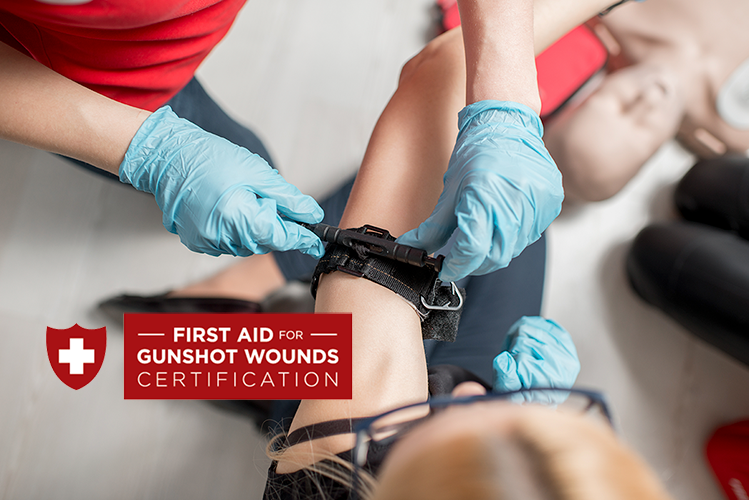
Gunshot Wound First Aid & Emergency Bleeding Control 101
Gunshot wounds are among the most serious medical emergencies a person can encounter. In these situations, rapid action can make the difference between life and death. While emergency medical services provide advanced care, the first few minutes following an injury are often the most critical. Understanding basic gunshot wound first aid and emergency bleeding control techniques can help bystanders provide lifesaving assistance until professional help arrives.
One of the greatest dangers associated with a gunshot wound is severe blood loss. Uncontrolled bleeding can quickly lead to shock, organ failure, and death if not addressed immediately. Because emergency responders may take several minutes to reach the scene, individuals nearby often become the first line of care. Learning how to recognize life-threatening bleeding, apply direct pressure, use wound packing techniques, and properly apply a tourniquet can significantly increase a victim’s chances of survival.
Emergency bleeding control is not limited to healthcare professionals. Parents, teachers, security personnel, business employees, and community members can all benefit from learning these essential skills. Programs such as Stop the Bleed have helped educate millions of people on how to respond effectively during traumatic emergencies.
This guide provides an overview of the fundamental principles of gunshot wound first aid and bleeding control, helping readers understand the critical steps that can save lives when every second counts.
-
I really enjoyed my class, very well educated instructors and I left feeling more confident and educated. I would definitely... read more recommend to a girlfriend and would even be down to take again!
Emila Brisbois
May 31, 2026We had a great class today! It was small and only had one instructor- Sheena - but she did and... read more exceptional job making sure the whole group was engaged and learning each other's lessons. We each got one on one time with her for personalized instruction. Overall money and time well spent! Will definitely be signing up for more classes. Thank you!!
Katherine B
May 31, 2026Very hands on experience. Good factual and real life education. Felt comfortable with gun education when leaving the class.
Jaclyn Wells
May 31, 2026 -
Great conceal carry course. Super accessible with a very laid back learning environment. Great for all experience levels. Can't wait... read more to go back for their other courses.
Lindsey Guthrie
May 31, 2026Best CCW class I ever took and give you a lot of useful information. I will be recommending this business... read more to my family and friends.
Kevin P
May 31, 2026I had a great time in class today, very educational and informative. Definitely going to recommend trouble defense to friends... read more and family members.
Mitchell Skinner JR
May 31, 2026 -
Informative and well structured class! Feel much more confident in handling a gun and knowledge of self defense
Matthew Overbeeke
May 31, 2026Super informative and patient instructors! Couldn’t recommend more.
Leeana Norman
May 31, 2026Trouble Defense provided an excellent experience from start to finish. The instructors were professional, knowledgeable, and took the time to... read more make sure everyone understood the material clearly. The training was hands-on, informative, and created a safe environment to learn and build confidence. You can tell they genuinely care about teaching proper firearm safety and skills the right way. I highly recommend Trouble Defense to anyone looking for quality firearms training.
Saif Shannag
May 21, 2026
Gunshot Wound First Aid Why Immediate Bleeding Control Saves Lives
Uncontrolled bleeding is one of the leading causes of preventable death following a traumatic injury. Whether the injury results from a gunshot wound, motor vehicle accident, industrial incident, or other emergency, severe blood loss can become life-threatening within minutes. This is why immediate bleeding control is considered one of the most important actions a bystander can take before emergency medical personnel arrive.
The human body depends on a continuous supply of blood to deliver oxygen and nutrients to vital organs. When a person experiences significant blood loss, the heart must work harder to circulate the remaining blood throughout the body. As blood volume decreases, blood pressure drops and critical organs such as the brain, heart, and lungs may not receive the oxygen they need to function properly. If severe bleeding is not controlled quickly, the victim can go into shock, lose consciousness, and suffer fatal complications.
Many emergencies occur in locations where professional medical assistance is not immediately available. Even in urban areas, emergency responders may require several minutes to reach a scene. During this time, a trained bystander can make a significant difference by recognizing life-threatening bleeding and taking immediate action. Applying direct pressure, packing a wound, or using a tourniquet when appropriate can help slow or stop blood loss until advanced medical care arrives.
Preparedness and training play a critical role in emergency response. Programs such as Stop the Bleed teach individuals how to identify severe bleeding and use proven bleeding control techniques. These simple skills empower ordinary people to act confidently during emergencies and can dramatically improve a victim’s chances of survival when every second matters.
Essential Steps for Gunshot Wound First Aid and Emergency Bleeding Control
When responding to a gunshot wound, every second matters. The primary goal is to control bleeding and keep the injured person alive until emergency medical personnel arrive. Before providing aid, ensure the scene is safe and that there is no ongoing threat to yourself or others. Once it is safe to approach, immediately call 911 or direct someone nearby to contact emergency services.
The first step in bleeding control is identifying the source of the bleeding. Apply firm, continuous direct pressure to the wound using a clean cloth, dressing, or your hands if no other materials are available. Direct pressure is often the fastest and most effective way to slow or stop bleeding from many injuries.
If the wound is deep and bleeding heavily, wound packing may be necessary. Carefully pack sterile gauze into the wound cavity and continue applying pressure. For severe bleeding from an arm or leg that cannot be controlled with pressure alone, a tourniquet may be required. Place the tourniquet several inches above the wound, avoiding joints whenever possible, and tighten it until the bleeding stops.
Monitor the injured person for signs of shock, including pale skin, confusion, weakness, or loss of consciousness. Keep the person as calm and comfortable as possible while waiting for emergency responders. Quick action, proper bleeding control techniques, and prompt activation of emergency services can significantly improve the chances of survival following a traumatic injury.
Gunshot Wound First Aid Understanding Life-Threatening Blood Loss
Life-threatening blood loss occurs when a person loses a significant amount of blood in a short period of time, preventing the body from delivering enough oxygen to vital organs. This type of bleeding can result from gunshot wounds, stab wounds, vehicle crashes, industrial accidents, or other traumatic injuries. Recognizing the signs of severe bleeding and responding quickly can be critical to saving a life.
Not all bleeding is considered life-threatening. Minor cuts and scrapes typically stop bleeding on their own or with basic first aid. However, severe bleeding often involves blood that is pooling on the ground, soaking through clothing or bandages, spurting from a wound, or continuing despite attempts to control it. These are warning signs that immediate action is needed.
As blood loss increases, the body begins to compensate by increasing heart rate and restricting blood flow to less critical areas. Victims may appear pale, sweaty, confused, weak, or unusually anxious. As the condition worsens, they may become dizzy, lose consciousness, or enter shock. Shock is a medical emergency that can rapidly lead to organ failure and death if bleeding is not controlled.
Understanding these warning signs allows bystanders to take action before the situation becomes critical. Applying direct pressure, packing deep wounds with gauze, and using a tourniquet for severe extremity bleeding are proven methods of controlling blood loss. Quick recognition and immediate intervention can help stabilize an injured person until emergency medical services arrive. In many cases, the actions taken during the first few minutes after an injury can have the greatest impact on a victim’s chances of survival and recovery.
How Bystanders Can Save Lives Before Emergency Responders Arrive
Many emergencies involving traumatic injuries, bystanders are the first people on the scene and often have the greatest opportunity to make an immediate difference. While emergency medical services provide advanced care, the reality is that severe bleeding can become fatal within minutes. The actions taken by nearby individuals during those critical moments can significantly improve a victim’s chances of survival.
When a person suffers a gunshot wound or other serious injury, the first priority is ensuring the scene is safe before providing assistance. Once safety is established, calling 911 and reporting the emergency should occur as quickly as possible. While waiting for professional responders, bystanders can begin lifesaving bleeding control measures.
One of the most effective interventions is applying firm, direct pressure to the wound. Direct pressure can slow or stop bleeding and help preserve blood volume until additional care arrives. If the wound is deep and bleeding heavily, wound packing with gauze may be necessary. For severe bleeding involving an arm or leg, a properly applied tourniquet can be a lifesaving tool when direct pressure alone is not effective.
Bystanders should also monitor the injured person for signs of shock, including pale skin, rapid breathing, confusion, weakness, or loss of consciousness. Keeping the victim calm and providing reassurance can help while emergency personnel are en route.
Training programs such as Stop the Bleed emphasize that ordinary people can become immediate responders during emergencies. With basic knowledge and preparation, bystanders can take decisive action that may save a life long before professional medical help reaches the scene.
Why Every Second Matters During a Bleeding Emergency
- Severe bleeding can become fatal within minutes if it is not controlled quickly.
- Blood loss reduces oxygen delivery to vital organs such as the brain, heart, and lungs.
- Shock can develop rapidly, leading to unconsciousness, organ failure, and death.
- Emergency responders may take several minutes to arrive, making bystanders the first line of defense.
- Immediate actions such as direct pressure, wound packing, and tourniquet use can save lives before professional medical care arrives.
Gunshot Wound First Aid (Life-Saving Actions Anyone Can Learn)
Many people assume that only doctors, nurses, paramedics, or other healthcare professionals can provide meaningful assistance during a medical emergency. In reality, simple bleeding control techniques can be learned by virtually anyone and may help save a life before emergency responders arrive. When a traumatic injury occurs, the actions taken during the first few minutes are often the most important.
One of the most valuable skills a person can learn is how to recognize life-threatening bleeding. Once severe bleeding is identified, immediate action should be taken to control blood loss. Applying firm direct pressure to the wound is often the first and most effective step. If direct pressure is not enough, wound packing and tourniquet application may be necessary depending on the location and severity of the injury.
In addition to controlling bleeding, bystanders should call 911 as quickly as possible and provide accurate information to emergency dispatchers. Remaining calm, reassuring the injured person, and monitoring their condition can also make a significant difference while waiting for professional medical assistance.
Programs such as Stop the Bleed have demonstrated that ordinary citizens can successfully learn and apply lifesaving techniques during emergencies. These skills are useful for parents, teachers, security personnel, coaches, business employees, and community members alike. By gaining basic emergency preparedness knowledge, individuals can become immediate responders capable of helping protect lives when unexpected emergencies occur and every second counts.
FIRST AID FOR GUNSHOT WOUNDS CERTIFICATION
The First Aid for Gunshot Wounds Certification is an online course designed to teach the essential skills needed to respond to life-threatening bleeding emergencies. Participants will learn how to recognize severe bleeding, apply direct pressure, use wound packing techniques, identify signs of shock, and understand basic tourniquet principles.
This course is ideal for firearm owners, security personnel, teachers, parents, workplace safety teams, and anyone interested in emergency preparedness. No prior medical experience is required.
Upon completion, students will receive a Certificate of Completion demonstrating their knowledge of gunshot wound first aid and emergency bleeding control. This flexible online training provides practical, lifesaving knowledge that can help individuals respond confidently when every second counts.
Frequently Asked Questions (FAQ) – Gunshot Wound First Aid
Ensure the scene is safe, call 911 immediately, and begin controlling any severe bleeding using direct pressure or other appropriate bleeding control methods.
Signs include blood pooling on the ground, blood soaking through clothing or bandages, spurting blood, or bleeding that does not stop with pressure.
No. Do not remove any embedded object. Leave it in place and allow medical professionals to handle it.
A tourniquet should be used for severe bleeding from an arm or leg when direct pressure is ineffective or cannot be maintained.
A tourniquet should remain in place until emergency medical personnel take over care. Do not loosen or remove it once applied.
Common signs include pale or clammy skin, rapid breathing, confusion, weakness, dizziness, and loss of consciousness.
Yes. Online training can provide valuable knowledge about bleeding control, emergency response, and trauma care principles that may help during emergencies.
This training is beneficial for firearm owners, security personnel, teachers, parents, workplace safety teams, church security members, and anyone interested in emergency preparedness.
Yes. Survival depends on factors such as the location of the injury, the amount of blood loss, how quickly medical care is received, and whether lifesaving first aid is provided.
Absolutely. The same techniques can be used during vehicle accidents, workplace injuries, falls, industrial accidents, and other traumatic emergencies.