So you searched “first shooting class what to expect” — which probably means you’re feeling two things at once: curious and a little nervous. That’s completely normal. In fact, most of the students who walk through our doors in Northern Virginia have never held a firearm before, and nearly all of them admit they were anxious beforehand.
Here’s the good news: a well-run beginner class is designed exactly for you. Nobody expects you to know anything on day one. By the end of your first session, that nervousness is usually replaced by something much better — confidence. Let’s walk through what actually happens so you can show up prepared and relaxed.
It’s Completely Normal to Be Nervous
Let’s get this out of the way first: feeling nervous before your first shooting class doesn’t mean you don’t belong there. It means you respect firearms, and that’s precisely the right mindset to bring.
Our instructors specialize in working with new and nervous shooters. We’ve guided hundreds of first-timers — people who’d never touched a handgun, people who were shaky just picking one up — and watched every one of them leave safer and more confident than they arrived. Many of our first-time gun owner training students tell us afterward that the experience was far calmer and more enjoyable than they’d imagined.
You don’t need to “toughen up” or pretend you’re comfortable. A good instructor would much rather work with a cautious beginner than an overconfident one.
What If You’ve Never Even Held a Gun?
Then you’re our favorite kind of student.
Some of our most rewarding classes start with a student who’s never touched a firearm and end with that same student hitting the target consistently. Starting from absolute zero means no bad habits to unlearn — and instructors love that.
A few things first-timers are always surprised by:
- Training handguns are lighter than they look — about two pounds loaded, roughly the weight of a full water bottle.
- You won’t be handed a loaded firearm on minute one. You’ll spend real time on parts, grip, stance, and sight alignment with an unloaded gun first.
- Your instructor handles the loading at first — many sessions start with a single loaded round so you can focus on one calm shot.
There’s no quiz and no expectation that you arrive knowing anything — just bring the willingness to learn.
What a Beginner Shooting Class Looks Like, Step by Step
Every reputable school follows a similar progression. While formats vary, here’s the typical flow of a beginner handgun class.
Step 1: The Classroom Safety Briefing
Your class starts in a classroom — not on the firing line. Your instructor will cover the fundamental rules of firearm safety, including the universally taught principles you’ll find in the NSSF’s 10 rules of safe gun handling: treat every gun as if it’s loaded, keep the muzzle pointed in a safe direction, keep your finger off the trigger until you’re ready to shoot, and be sure of your target and what’s beyond it.
You’ll also learn the parts of a handgun, how it functions, how to load and unload it safely, and what the range commands mean. Nothing is rushed. This is also your chance to ask every “silly” question on your mind — trust us, we’ve heard them all, and we’d always rather answer a question than have you guess.
Step 2: Handling Firearms (Unloaded First)
Before any ammunition enters the picture, you’ll get hands-on time with unloaded firearms. Your instructor will show you how to pick up a handgun safely, check that it’s unloaded, grip it properly, and assume a stable stance. You’ll practice sight alignment — lining up the front and rear sights — and work on trigger control, all without firing a shot.
This dry practice is one of the most valuable parts of the class. It builds muscle memory in a zero-pressure environment, so when you do fire your first live round, your body already knows what to do.
Step 3: Live Fire — With an Instructor Right Beside You
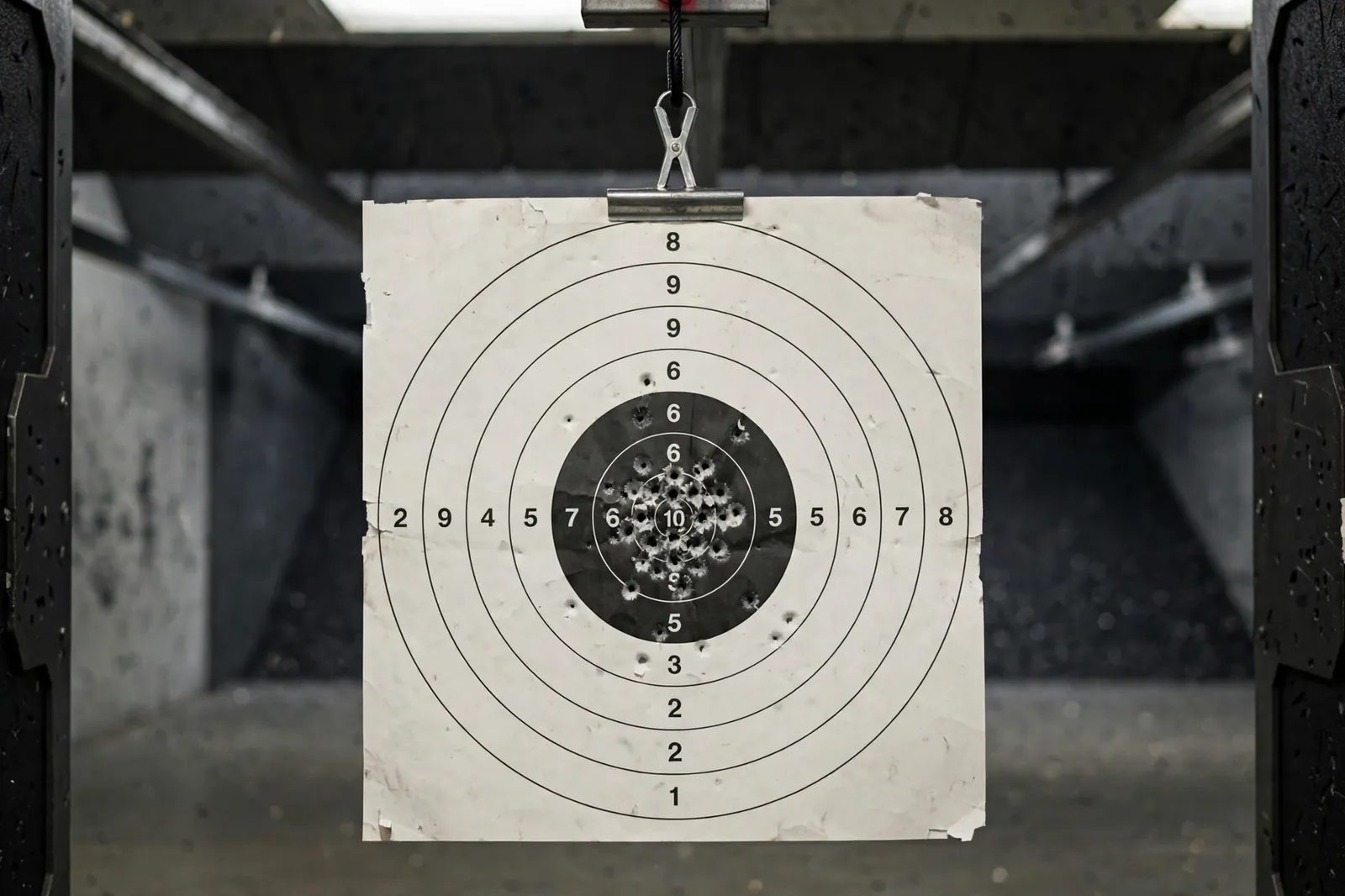
Then comes the part you’ve been waiting for. You’ll move to the range with an instructor at your side — literally beside you, watching and coaching through every shot. You’ll typically start close to the target and fire slowly, one round at a time, focusing on fundamentals rather than speed or bullseyes.
The first shot surprises almost everyone — it’s louder than expected, and that’s okay. Your instructor will talk you through it. Most students find their rhythm within a few magazines and start genuinely enjoying themselves. By the end of the session, you’ll have a solid grasp of grip, stance, sight picture, and trigger control.
If you want a broader overview of getting started, the NSSF’s guide for new shooters is an excellent companion read.
What Your Instructors Expect From You
Short version: no experience, no equipment, and no prior knowledge. Here’s the slightly longer version:
- Zero experience is fine. Beginner classes assume you’ve never touched a firearm. That’s the whole point.
- You don’t need to own a gun. Many students train before buying, which is actually smart — you’ll make a far better purchasing decision once you understand fit, controls, and ergonomics.
- A willingness to follow safety rules. This is the one non-negotiable. If an instructor gives a safety direction, follow it immediately and exactly.
- Questions. Ask them. Instructors love curious students.
What instructors don’t expect: marksmanship, strength, or confidence on arrival. Those are outcomes of training, not prerequisites.
Range Etiquette: The Unwritten Rules
Every range has posted rules, but a few etiquette basics will make you look like you belong from day one:
- Muzzle awareness, always. Keep the firearm pointed downrange at all times — even when you’re sure it’s unloaded.
- Finger off the trigger until your sights are on target and you’re ready to fire.
- Obey range commands instantly. “Cease fire” means stop shooting immediately, set the gun down, and step back.
- Don’t touch firearms during a cease-fire. When others are downrange changing targets, hands off.
- Clean up after yourself. Pick up your brass and take down your targets. It’s just good manners.
Your instructor will go over the specific rules of the range you’re visiting, so don’t try to memorize everything in advance. If you have lingering questions, our firearm training FAQ covers the most common ones.
Common First-Timer Mistakes (and How Instructors Fix Them)
Every beginner makes the same handful of mistakes — instructors see them in every class, and correcting them is what we’re standing next to you for.
Anticipating the recoil. Most new shooters flinch slightly before the shot breaks, pushing the muzzle down. Your instructor will spot it instantly and run you through simple drills — dry-fire practice and ball-and-dummy exercises — that erase the flinch within minutes.
Death-gripping the gun. Nervous hands squeeze too hard, which makes the gun shake. The fix is a firm-but-relaxed grip, and your instructor will adjust your hand position until it clicks. Most students feel the difference immediately.
Closing one eye. Movies lied to you — you can shoot with both eyes open, and most instructors teach it that way from the start. It’s more natural and gives you better awareness of your surroundings.
Forgetting to breathe. People hold their breath without realizing it. A calm exhale as you press the trigger steadies everything.
None of these are failures — just the normal learning curve, and every one is fixable in a single session.
How Long Does a First Shooting Class Take?
It depends on the format. A classroom-only safety course might run a couple of hours, while a complete beginner package with classroom instruction plus private range time can span several hours across one or more sessions. When you browse the training calendar, each class listing shows its format and duration so you know exactly what you’re signing up for.
Our advice: don’t rush it. A beginner session that gives you real trigger time with an instructor beside you is worth far more than a quick orientation. And if you’d prefer to learn entirely at your own pace, private one-on-one instruction is always an option.
A Note for Women Considering Their First Class
If you’re a woman who’s been thinking about training but feeling hesitant, you’re not alone — and you have options designed with you in mind. Our women’s firearm training program offers a supportive environment to ask questions, build skills, and gain confidence at your own pace.
First Shooting Class FAQ
Do I need to own a gun before taking a class?
No — and many of our students intentionally train before buying. You’ll choose a handgun that actually fits your hands instead of guessing at a counter. Training firearms are provided.
Will I be the only beginner?
Almost certainly not. Beginner classes are full of first-timers learning the same fundamentals together — which is what makes the atmosphere so comfortable.
Is it going to be loud?
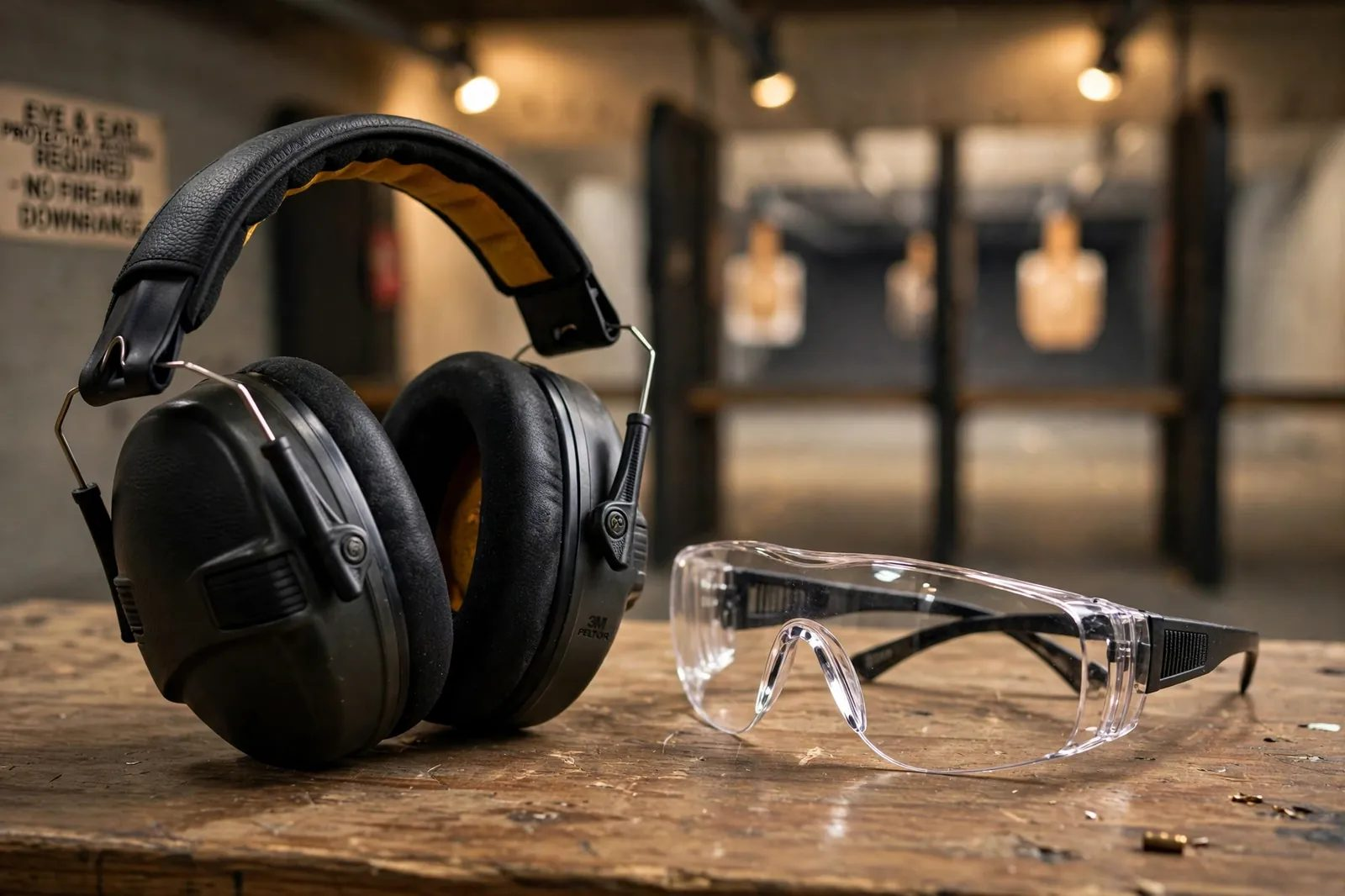
Yes — gunfire is loud, even with hearing protection. Good earmuffs or plugs (which we can provide) make it completely manageable, and most students stop noticing after the first few shots.
What if I’m afraid I’ll do something unsafe?
That’s exactly why class starts with unloaded firearms and an instructor beside you at all times. The entire structure is designed so you can’t get ahead of your own skill level.
How do I sign up?
Pick a date on our training calendar and book your spot. Prefer undivided attention? Private instruction is a great first step — and you can learn more about us on our about page.
Ready When You Are
As a veteran-owned company serving Northern Virginia since 2012, we’ve made it our mission to turn nervous beginners into safe, confident gun owners.
The hardest part of your first shooting class is walking through the door. Everything after that, we’ll guide you through.
Ready to get started? Book your class on our training calendar — no experience necessary, and we’ll take care of the rest.