Inherited a firearm?
If you’ve inherited a firearm, it might be your dad’s hunting rifle or a case you’ve never opened. Maybe a relative wants to give you their collection. We’ll help you find the transfer rules and choose a first lesson at your own pace.
How is it coming to you?
If you’ve inherited a firearm, the paperwork depends on how it reaches you. Two families can pass down the very same model of firearm and need different paperwork. The first question is who has the authority to give it to you.
Someone passed away.
Speak to the person authorized to handle the estate. Ask whether the will leaves the firearm to you or, if there’s no will, whether you inherit it under the state’s succession law. If the family disagrees or a trust owns the collection, bring those facts to the estate attorney before anyone takes possession.
For a lawful inheritance under a will or state succession law, federal rules allow a limited interstate exception if you may lawfully acquire or possess that firearm where you live. If you inherited a firearm across state lines, both jurisdictions’ rules still matter.
The owner is still living.
If your mother wants you to have her pistol while she’s alive, that’s a gift. The same applies if a relative inherited a collection and now wants to give part of it to you. Identify the giver, the recipient, and each person’s state of residence.
When the giver and recipient live in different states, a private gift generally goes through a federally licensed firearms dealer (FFL). For a handgun, contact a dealer in the recipient’s state before arranging delivery. For a same-state gift, check that state’s transfer rules.
Inherited a firearm? Four checks before pickup.
Identify who can release it. Ask the executor, administrator, or living owner for the records they already have. A note promising you “Granddad’s guns” is a reason to ask about the estate paperwork before you pick anything up.
List each item from existing records. An inventory might say “two hunting rifles,” yet the case may also contain a handgun or suppressor with different rules. Use paperwork already available. Leave identification of an unfamiliar item to someone qualified.
Confirm eligibility and local requirements. Tell the licensing authority or a firearms attorney where the items are, where you live, and what’s being transferred. Ask about age, any court order or other restriction, the firearm model, magazine limits, registration, required training, and transport. If your eligibility is uncertain, leave custody with the authorized party.
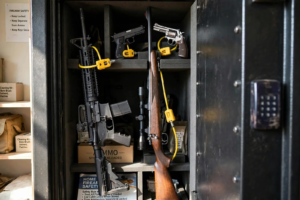
If you’ve inherited a firearm, plan for storage before pickup. Once lawful possession is confirmed, arrange secure storage that prevents unauthorized access. Plan to store firearms unloaded and locked, with ammunition secured separately. Decide who can access the key or combination, especially if children visit your home.
Where will the firearm be kept?
Choose your home jurisdiction. If you inherited a firearm that is somewhere else, check the rules there too, before arranging pickup or travel.
VAVirginia
Start with the transfer. For an ordinary firearm left outright to an eligible adult Virginia resident, Virginia generally has no state registration or safety-course requirement solely for inheriting it. Confirm the estate can distribute it and that the firearm and recipient are eligible.
If money or property changes hands, ask a licensed dealer about Virginia’s private-sale background check. Specially regulated firearms can follow a different process. Virginia’s 2026 restrictions on certain firearms have been subject to court orders. Check the current status for the exact model before a transfer.
MDMaryland
For an inherited regulated firearm, including a handgun, the heir must submit the prescribed application to Maryland State Police. Start the MSP 77R in the Licensing Portal using the inheritance process. Ask the Licensing Division which records it needs and when possession may change.
Maryland law provides an inheritance exception when the heir submits the required application. A qualifying inheritance does not by itself require buying a Handgun Qualification License (HQL) course. A gift from a living owner follows different rules. Ask MSP whether an HQL and the gift or secondary-sale process apply.
If the heir who inherited a firearm is under 21, Maryland’s regulation allows title to pass, but the estate retains possession of the regulated firearm until the heir turns 21.
DCWashington, DC
Contact MPD’s Firearms Registration Branch before bringing a firearm into the District. DC generally requires registration for lawful possession. Ask whether the specific firearm is registrable and how to document the transfer. Registration includes a safety-training requirement. MPD offers a free class and the law specifies alternatives MPD may accept.
If you’re the executor or administrator of a DC estate containing a firearm, the law requires you to notify the Chief of Police of the death within 30 days of appointment or qualification, whichever comes first. This is an executor’s deadline. Heirs should get their own registration instructions before taking custody.
A first lesson you can take at your own pace.
If you’ve inherited a firearm, you might want to keep it for sentimental reasons and never fire it. Or you might want to learn to use the same rifle your family took hunting. Tell us which matters to you. Storage and safety can be the whole conversation.
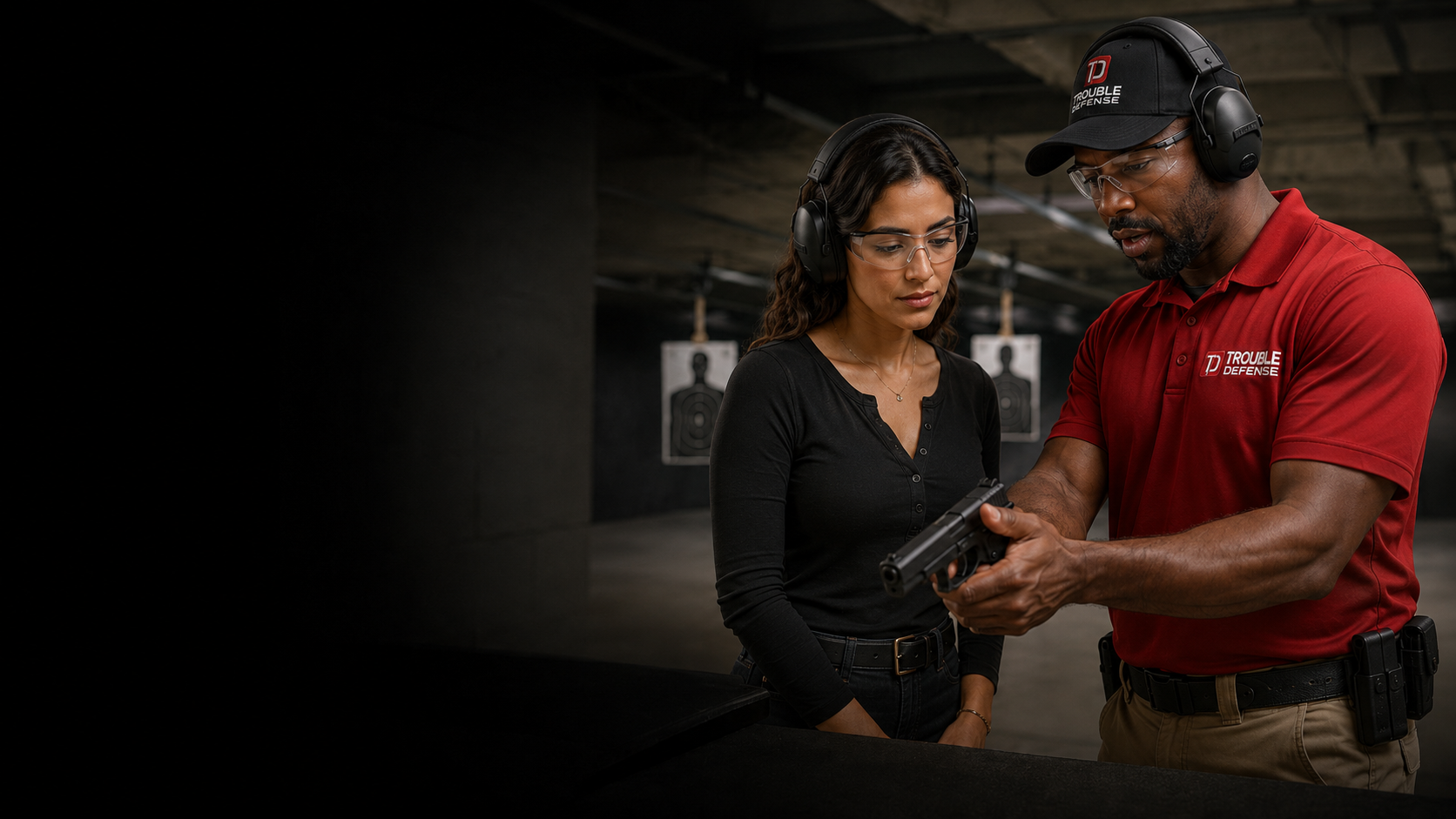
First-Time Shooter Package
Start with live online instruction, then take a cleaning class and a private range lesson. A rental firearm is included, so you can leave the family firearm where it is. Your instructor can help you build safe handling habits before supervised practice.
See first-time training and package details →Private firearm training
Tell us whether you inherited a firearm — a handgun, rifle, or shotgun — and what you already know about it. We’ll help you choose an appropriate session. For an unfamiliar heirloom, ask a qualified gunsmith about a condition inspection before anyone attempts live fire.
Explore one-on-one firearm lessons →Our Virginia training locations include Fairfax and Lorton. Contact us before bringing any firearm to a class or office. We’ll confirm equipment and range arrangements for your appointment.
Before your first lesson.
Can I take a class while the estate is still open?
Yes — if you’ve inherited a firearm, you can ask about classroom education while the estate is being settled. Tell us you want to start without bringing the inherited firearm. If you may be prohibited from possessing firearms, ask about education without firearm handling and consult an attorney before any hands-on session.
What if it’s already at my house?
If the transfer or registration is unclear, leave the firearm undisturbed, keep others away, and get prompt guidance from a local firearms attorney or licensing authority. Call before visiting a police station, dealer, range, or training office with the firearm.
What if I don’t want to keep the collection?
Tell the estate representative before accepting possession. They can ask an estate attorney or licensed dealer about lawful sale, transfer, or disposal. If it’s a living gift, you can simply decline it. You don’t have to take the collection home to help your family decide what happens next.
Is a concealed carry class required to keep it at home?
Possession at home, transfer, registration, and carrying in public are separate questions. Check your jurisdiction’s possession and registration requirements first. If your goal later becomes carrying a handgun in public, look at the licensing process for each place you intend to carry.
What should I tell Trouble Defense when I call?
Start with something as simple as, “I live in Maryland. My father left me a handgun. I’ve never handled one, and I’d like a first lesson using a rental.” Your state, experience level, and goal are enough for a training inquiry. Save serial numbers and estate documents for the authority handling the transfer.
Tell us what you inherited.
We’ll help you choose a first lesson, even if you’ve never touched a firearm. Call 703-835-0692 or tell us about your training goals online.
General education. For a decision about a specific person, firearm, or estate, consult the licensing authority or an attorney in the jurisdictions involved.