Fairfax, Virginia · Intermediate course
LOW-LIGHTPISTOL TRAINING.
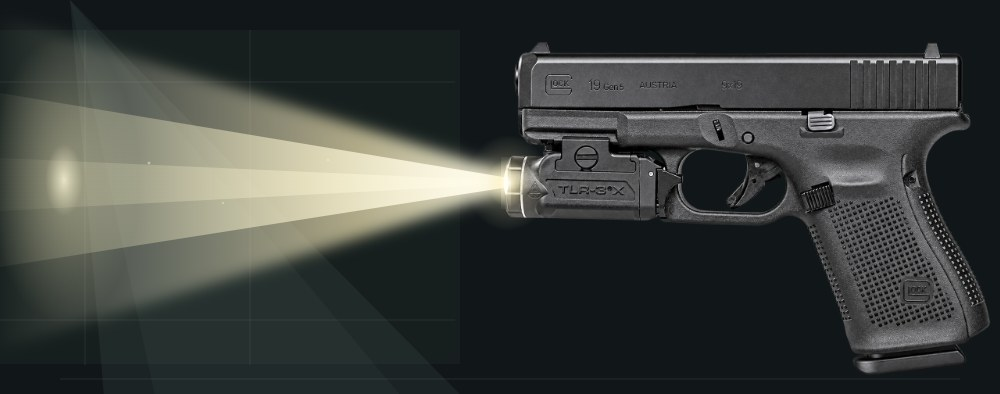
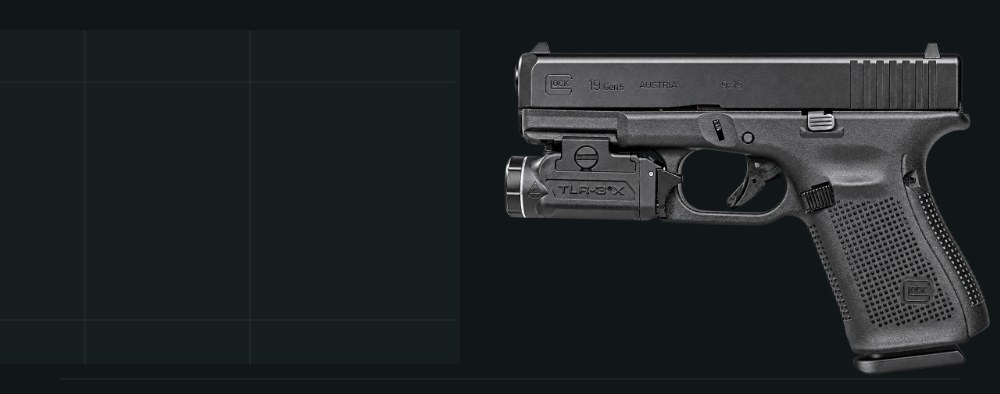
More awareness. Deliberate decisions.
Less light. The same high standard of safety.
For students who already handle a handgun safely and confidently. Previous handgun fundamentals training or demonstrated safe competency is required.
Stay consistent.
Maintain safe handling, muzzle awareness and trigger discipline as the lighting changes.Know your light.
Become familiar with your handheld flashlight and understand the role of illumination.Know what you see.
Keep positive target identification and awareness at the center of every decision.Build with feedback.
Reinforce established pistol fundamentals through supervised range practice.Choose the right next step
Who this class is designed for.
Students moving beyond fundamentals
If you have completed a basic handgun class and feel comfortable with safe operation, this course gives you a focused reason to return. The goal is to add an unfamiliar lighting condition while continuing to respect the same safety expectations you already learned. You will have opportunities to ask about your equipment, understand the session’s boundaries and receive feedback from the instructor. Before registering, think honestly about your current comfort level. Students should not need their first introduction to loading, unloading or basic firearm operation during this class. If those skills still feel uncertain, a fundamentals refresher or private lesson can help you prepare for a more useful low-light experience.Responsible owners and returning students
This course also fits experienced handgun owners who want a structured introduction to illumination. Owning a flashlight or a pistol-mounted light does not automatically mean you understand its limitations. A supervised class offers time to become familiar with your equipment and discuss how visibility affects observation, confidence and decision-making. Students who have previously trained with Trouble Defense can use this class as another step in their development. If you already use a red-dot sight, tell the team when you inquire. The emphasis remains safe handling and observation, with equipment questions addressed within the scope of the scheduled class.Unsure whether your experience is a fit? Tell the team which handgun classes you have taken, when you last practiced and what you hope to learn. That conversation helps us recommend an appropriate starting point.
Your three-hour experience
Brief. Familiarize. Practice.
Safety & orientation
Review expectations, range commands, light-related considerations and safe handling before live-fire activity begins.Dry familiarization
Get comfortable with your flashlight and course procedures during instructor-directed familiarization.Supervised range time
Apply your existing fundamentals in reduced-light conditions with instructor guidance and individual feedback.The opening classroom and familiarization block takes approximately 45–60 minutes. Timing may vary within the three-hour session.
Start with a shared understanding
The opening discussion gives everyone a chance to understand the class before range activity begins. Expect the instructor to explain the sequence, establish communication expectations and review the equipment being used. This is also the time to raise a concern about your familiarity, comfort or ability to participate in a particular part of the class.Leave with useful feedback
Supervised range time gives the instructor an opportunity to observe how consistently you apply the fundamentals you already know. Your experience may highlight questions about equipment, confidence or continued training. Use that feedback to identify an appropriate next step instead of assuming a single session completes your learning.Awareness comes first
Light helps you see. Judgment gives that information meaning.
Understand equipment limitations
A handheld flashlight and a weapon-mounted light serve different roles in a training environment. The class uses a required handheld flashlight so students can discuss illumination without assuming every observation involves pointing a firearm. A firearm-mounted light never changes the need for safe muzzle direction or responsible handling. You do not need to purchase expensive accessories before speaking with the team. Start with the equipment you already have and ask whether it is appropriate for the session. Compatibility, condition and the host range’s rules matter more than arriving with the newest product.Learn at a controlled pace
The class provides a structured setting for students to become familiar with a change in visibility. It is not a competition, and students are not expected to rush through unfamiliar tasks. The instructor establishes the pace and can address questions before the group moves forward. Individual feedback helps you recognize what feels comfortable and what needs more work. The aim is to leave with a clearer understanding of your current abilities and the questions you should continue exploring through appropriate, supervised instruction.Arrive prepared
Your light. Your fundamentals. Your next step.
A handheld flashlight is required. A weapon-mounted light is optional and subject to class and range rules. Read your confirmation carefully before class day. Prepare your equipment, review the requested ammunition quantity and contact the team early if something is missing. Equipment questions are easier to resolve before everyone arrives at the range.-
Prior handgun experience Complete a handgun fundamentals course or demonstrate equivalent safe competency. You should already be comfortable loading, unloading, clearing and safely operating your pistol.
-
Handheld flashlight Required Bring a reliable light with fresh or fully charged batteries. Contact the team beforehand if you need equipment guidance.
-
Serviceable pistol & ammunition Plan for 75–100 rounds of ammunition appropriate for your handgun. Follow the equipment and ammunition instructions in your class confirmation.
-
Eye & hearing protection Bring range-appropriate protection and clothing suitable for supervised live-fire training.
-
Weapon-mounted light Optional A mounted light does not replace the required handheld flashlight. Confirm permitted equipment with the team before class.
Plan your visit
Low-light training in Fairfax, Virginia.
Coming from Northern Virginia, DC or Maryland?
This Fairfax class welcomes qualified students from across the surrounding region, including Arlington, Alexandria, Springfield, Vienna, Falls Church, Reston, Woodbridge and Manassas. Choose a session that gives you time to arrive without rushing. Local traffic and your starting location can affect the trip, so check your route before class day. Use the training location listed in your confirmation. Trouble Defense’s office is for meetings and appointments; this course’s classroom and range activities are associated with the scheduled range session. Contact the team before traveling if any location details are unclear.Confirm the details that matter
Ask about the next available date, the planned group size and the exact equipment list when you inquire. Let the team know about any accommodation or learning preference you would like to discuss. Advance communication helps us determine whether the session is suitable and what arrangements may be possible. If your schedule changes, contact Trouble Defense promptly and refer to the terms provided with your booking. Dates, arrival instructions, included items and applicable policies should be clear before you finalize your place in class.Low-Light Pistol Training · Fairfax, VA
Make your next range session more intentional.
Build on the skills you already have. Ask about the next Trouble Defense low-light class and join a small group focused on safety, awareness and confidence.
The $200 price is the stated training price per student. Before you register, confirm which range charges, equipment costs or ammunition costs are included in your specific booking. This helps you prepare an accurate budget and arrive with the right supplies.
Small-group instruction
- Three-hour course
- Classroom + supervised range practice
- Planned class size of 6–8 students
- Intermediate experience level
Contact us for dates, availability and the final equipment list. Confirm range fees, ammunition and rental costs before booking; inclusions will be stated in your class confirmation.
A few things to know