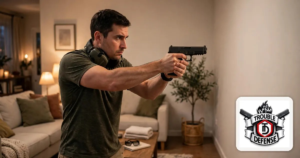
Firearm confidence building is defined as the deliberate development of safe handling skills through structured practice, education, and psychological preparation. The role of firearm confidence building is not about bravado or shooting fast. It is about transforming uncertainty into competence so you can make clear, responsible decisions under pressure. Programs like the Range Ready mindfulness training and certified courses offered by Trouble Defense, a veteran-owned academy in Fairfax, VA, demonstrate that confidence is a direct product of skill, not attitude. Whether you are a first-time owner or someone returning to practice, the path forward starts with understanding what real confidence looks like and how to build it deliberately.
How does repetition and muscle memory develop firearm confidence?
Muscle memory is the foundation of reliable firearm handling. When you repeat a skill enough times under proper guidance, your nervous system encodes it as an automatic response. That shift from conscious effort to automatic action is what separates a hesitant beginner from a steady, confident owner.
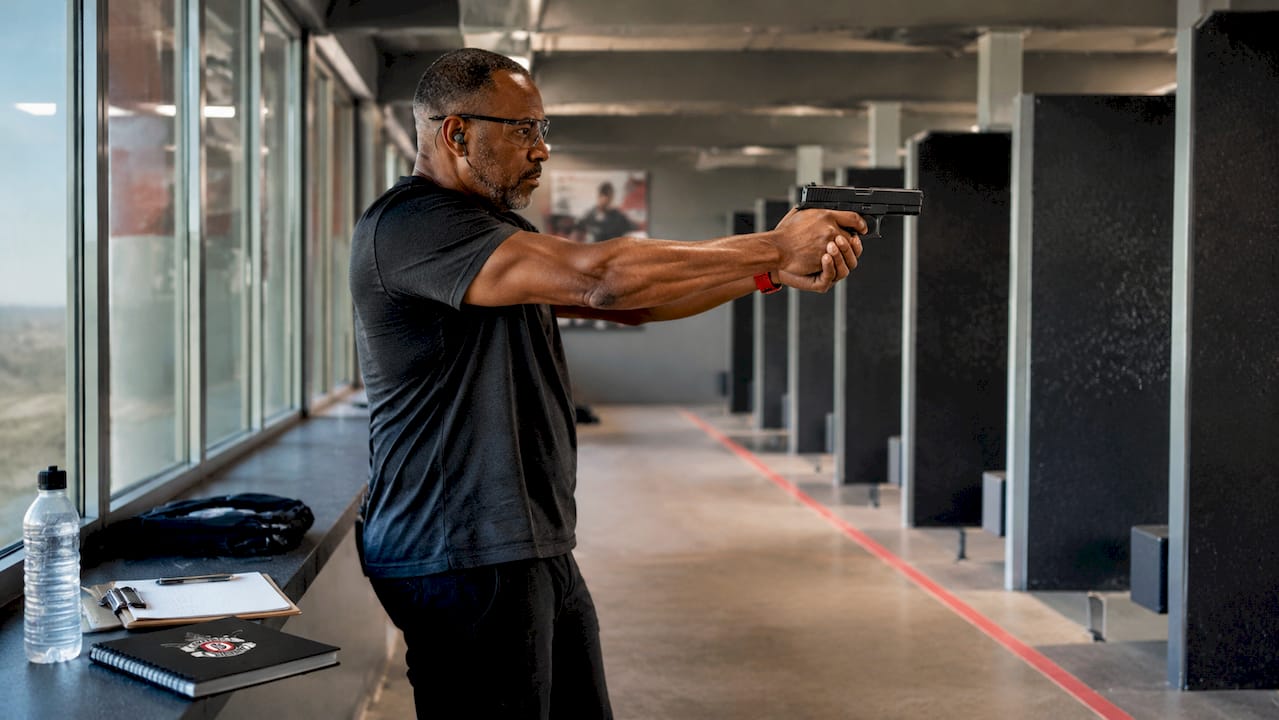
Structured repetition through deliberate practice on grip, stance, and trigger press builds the neural pathways that make correct technique feel natural. This matters most in high-stress situations, where conscious thought slows down and trained instinct takes over. Without repetition, even a knowledgeable owner can freeze.
Dry-fire practice is one of the most underused tools for building this kind of muscle memory. Dry-fire practice improves trigger control and firearm handling without requiring live ammunition, making it safe to do at home between range sessions. Consistent dry-fire work compounds over time in ways that occasional live-fire sessions cannot replicate.
Repetition alone is not enough, though. Feedback is what separates productive practice from reinforcing bad habits.
- Start at close range. Using 3-yard targets for beginners speeds up confidence gains by delivering immediate positive feedback. Seeing tight groups early builds the motivation to keep going.
- Use structured drills. Repeat the same draw, grip, and press sequence in every session before adding complexity.
- Record yourself or train with an instructor. Video or live feedback catches errors you cannot feel on your own.
- Separate dry-fire and live-fire sessions. Mixing them too early can create confusion and slow skill development.
Pro Tip: Before your first live-fire session, spend two weeks on dry-fire practice only. You will arrive at the range with better trigger control and far less anxiety than someone who skips this step.
What safety practices are integral to building confident firearm use?
Safety knowledge does not limit confidence. It creates it. When you understand exactly what your firearm can and cannot do, fear transforms into respect, and respect produces steady, deliberate handling.
The four primary safety rules form the non-negotiable foundation of every training program worth attending:
- Treat every firearm as if it is loaded. This rule eliminates complacency, which is the root cause of most accidents.
- Never point the muzzle at anything you are not willing to destroy. Muzzle discipline becomes automatic with practice and is the single most visible sign of a trained owner.
- Keep your finger off the trigger until your sights are on target. Trigger discipline prevents negligent discharges in moments of surprise or stress.
- Know your target and what is beyond it. Target identification is a legal and moral responsibility, not just a safety guideline.
Beyond these rules, secure storage is a critical part of responsible ownership. Households with firearms have a fourfold higher suicide rate among children and teens when secure storage measures are absent. That statistic reflects a preventable tragedy. Proper storage, including biometric safes and trigger locks, removes unauthorized access as a risk entirely.
Professional training programs like those at Trouble Defense integrate firearm safety training into every session from day one. Students do not just hear the rules. They practice them under observation until correct behavior becomes automatic. That is how safety knowledge becomes genuine confidence.
How do mindset and psychological readiness affect firearm confidence?
Confidence is not a feeling you decide to have. It is the result of accumulated evidence that you can perform a skill correctly. Confidence built through steady, manageable skill-building progression is more durable than any motivational mindset shift. You cannot think your way to confidence. You have to earn it through repetition and feedback.
Psychological readiness also means managing the emotional response to a new and potentially intimidating environment. Many first-time owners feel anxiety at the range, and that anxiety is normal. The problem arises when that anxiety goes unaddressed and becomes a barrier to learning.
Here is what actually helps:
- Gradual exposure works. Start with a controlled, quiet environment before moving to a busy public range. Trouble Defense’s beginner courses are designed specifically to remove the intimidation factor that stops many new owners from progressing.
- Ask every question you have. Supportive training environments treat mistakes as learning opportunities and encourage questions without judgment. If your instructor makes you feel foolish for asking, find a different instructor.
- Pace yourself deliberately. Rushing through skill levels to impress others is the fastest way to build bad habits and erode real confidence.
- Mindfulness matters at the range. Programs like Range Ready combine mindfulness and range etiquette in a structured four-hour format to address both the physical and mental sides of readiness.
Pro Tip: If you feel your heart rate spike before a drill, take three slow breaths before you draw. Controlled breathing is a measurable performance tool, not just a relaxation technique.
What practical steps can individuals take to build firearm confidence?
Building firearm confidence follows a clear progression. Skipping steps creates gaps in skill that show up at the worst possible moments. The steps below reflect what certified instructors consistently recommend for new and returning owners.
- Begin with a certified beginner course. 1-on-1 training on fundamentals before group or live-fire exposure gives you the foundation to learn correctly from the start. Trouble Defense offers beginner courses in the DMV area designed for exactly this purpose.
- Train with inert firearms first. Starting with dummy rounds or inert training firearms removes recoil anxiety before it can become a mental block. This approach builds foundational confidence that carries into live-fire sessions.
- Commit to regular dry-fire practice at home. Fifteen minutes of dry-fire practice three times per week outperforms a single two-hour range session once a month. Consistent training beats occasional enthusiasm every time.
- Seek personalized instruction. Group classes are valuable, but personalized feedback accelerates skill development in ways that group settings cannot match. Trouble Defense’s certified NRA instructors provide individualized attention that identifies and corrects technique errors early.
- Set measurable milestones. Instead of vague goals like “get better,” set specific targets: draw and present in under two seconds, maintain a 4-inch group at 7 yards, or complete a safe clearing drill without prompting.
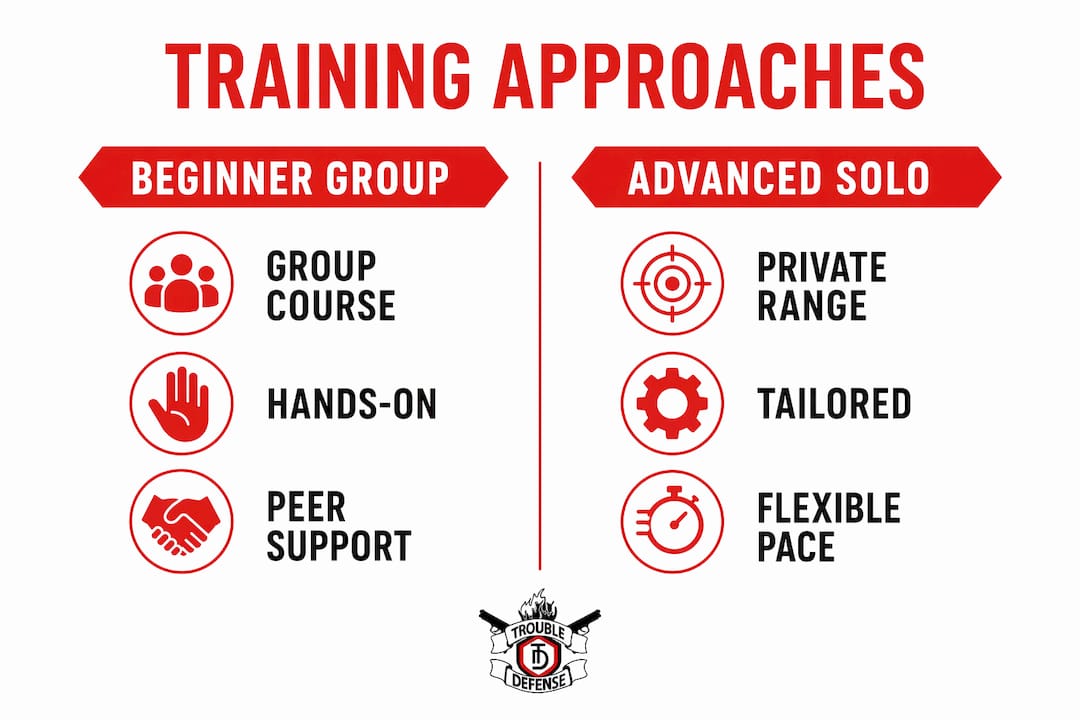
The table below compares two common training approaches to help you choose what fits your current skill level.
| Training approach | Best for | Key benefit | Limitation |
|---|---|---|---|
| Beginner group course | First-time owners | Structured curriculum, peer support | Less individual feedback |
| 1-on-1 private instruction | All levels | Personalized correction, faster progress | Higher cost per session |
| Dry-fire home practice | Ongoing skill maintenance | Safe, free, repeatable | No live-fire feedback |
| Range Ready program | Mindset and readiness | Combines safety, CPR, and mindfulness | Not a shooting skills course |
How does firearm confidence contribute to responsible ownership in the DMV area?
Confident firearm owners make fewer mistakes, comply more consistently with regional laws, and contribute to safer communities. In Virginia, Maryland, and Washington DC, legal requirements for carrying a firearm are specific and consequential. Confidence in both handling and legal knowledge is what separates a prepared owner from a liability.
Trouble Defense serves the DMV area with a full range of programs built around this principle:
- Virginia CCW classes prepare students for the fast-track VA CCW certification process, covering both legal requirements and live-fire qualification.
- Maryland Wear and Carry permits require documented training, and Trouble Defense’s Maryland carry training meets that standard with certified instruction.
- Women’s firearm training at Trouble Defense creates a non-intimidating environment where women build shooting skills without intimidation, a documented barrier to confidence for many new female owners.
- Adaptive firearms training serves individuals with disabilities, including blind and low-vision students, reflecting Trouble Defense’s commitment to accessible firearm education across the full community.
- Youth firearm safety education addresses the importance of firearm safety at home, giving families the tools to prevent accidents before they happen.
Ongoing practice is what maintains confidence after certification. A single course builds a foundation. Scheduled, recurring training is what keeps that foundation solid over time.
Key takeaways
Firearm confidence is built through deliberate, structured practice combined with safety mastery and psychological readiness, not through attitude or experience alone.
| Point | Details |
|---|---|
| Confidence follows competence | Skill built through repetition and feedback produces lasting confidence, not positive thinking. |
| Safety rules create confidence | Mastering the four core safety rules transforms fear into respect and reliable handling. |
| Dry-fire practice is underrated | Regular dry-fire sessions at home build muscle memory faster than infrequent live-fire visits. |
| Mindset requires a supportive environment | Non-intimidating instruction accelerates learning and prevents the anxiety that stalls beginners. |
| Ongoing training sustains confidence | One course is a starting point. Scheduled, recurring practice is what keeps skills sharp and confidence real. |
Why I think most people misunderstand what firearm confidence actually is
I have worked with hundreds of students across every experience level, from people who have never touched a firearm to veterans who want to sharpen their edge. The most common misconception I see is that confidence is something you either have or you do not. People walk into a first session either overconfident because they have watched a lot of videos, or terrified because they have not. Neither group is actually prepared.
Real confidence is quiet. It shows up as smooth, unhurried movement. It shows up as the ability to ask a question without embarrassment. It shows up as knowing exactly what to do when something goes wrong at the range, and doing it without drama.
What I have found works is this: remove the ego from the room first. The students who progress fastest are the ones who treat every session as a chance to find a flaw in their technique, not to prove they already know enough. That mindset, combined with consistent practice and honest feedback, produces the kind of confidence that holds up when it matters.
The students who struggle are almost always the ones who trained once, felt good about it, and stopped. Confidence maintained by memory fades. Confidence maintained by practice compounds.
If you are starting out or returning after a long gap, give yourself permission to be a beginner again. The instructors at Trouble Defense have seen every starting point, and none of them are shameful. What matters is that you show up, stay consistent, and let the skill build the confidence for you.
— Dee Parker
Start building real firearm confidence with Trouble Defense
Trouble Defense, based in Fairfax, VA, offers the DMV area’s most complete range of firearm confidence training programs. From beginner firearm courses for first-time owners and tourists to Virginia CCW certification, Maryland Wear and Carry training, women’s specialized courses, and adaptive programs for individuals with disabilities, every class is led by certified NRA instructors who prioritize your safety and your progress. With over 300 five-star Google reviews, Trouble Defense has built a reputation for producing confident, responsible owners across Virginia, Maryland, and Washington DC. Browse the full firearm safety training guide or check the training calendar to find a class that fits your schedule and skill level.
FAQ
What is the role of firearm confidence building?
Firearm confidence building develops safe, reliable handling skills through structured practice and education. It transforms uncertain beginners into responsible owners who can make sound decisions under pressure.
How long does it take to build real firearm confidence?
There is no fixed timeline, but consistent training over several months produces measurable results. Regular dry-fire practice combined with monthly range sessions accelerates progress faster than infrequent intensive sessions.
Is dry-fire practice actually effective for building confidence?
Yes. Dry-fire practice improves trigger control and handling skills without live ammunition, making it one of the safest and most accessible tools for building muscle memory between range visits.
What makes a good firearm training environment for beginners?
A good training environment avoids jargon, treats mistakes as learning opportunities, and never makes students feel judged for asking questions. Supportive, non-intimidating instruction is the single most important factor in early confidence development.
Do I need a CCW permit to take firearm confidence training in Virginia or Maryland?
No. Beginner courses and confidence training programs do not require a carry permit. Trouble Defense offers courses for all experience levels, and CCW certification is a separate step available once foundational skills are in place.