Firearm ownership without formal training is one of the most preventable sources of gun-related accidents in the United States. Whether you just purchased your first handgun or recently inherited a rifle, the gap between owning a firearm and handling one safely is significant. Responsible gun ownership requires more than reading a manual. It demands structured firearm safety education that covers safe handling, secure storage, local laws, and real-world decision-making. Understanding why new gun owners need training is the first step toward protecting yourself, your family, and your community.
Why new gun owners need training before anything else
Training is the foundation of safe, legal, and confident firearm ownership. New gun owners often underestimate how much there is to learn before they ever load a magazine. The mechanics of a firearm are only one piece of the picture. Legal obligations, storage requirements, and situational judgment all require deliberate education.
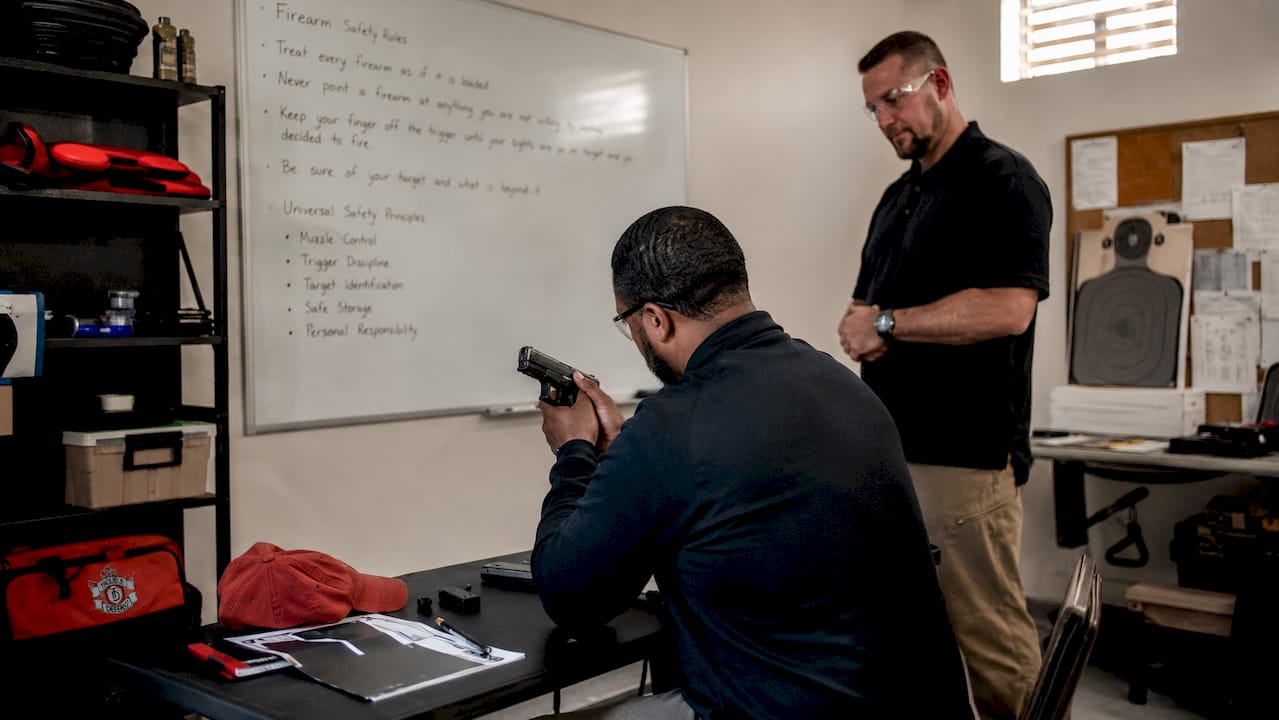
Most firearm accidents stem from unsafe handling tied to human behavior rather than mechanical failures. That finding reframes the entire conversation around gun safety. The gun is rarely the problem. The untrained owner is. Formal training directly addresses this by replacing guesswork with practiced, rule-based habits.
New gun owners in Virginia, Maryland, and Washington DC face an additional layer of complexity. Each jurisdiction has its own laws on carrying, storage, transportation, and use of force. Entering gun ownership without understanding those rules creates real legal exposure. Training closes that gap before it becomes a problem.
What does comprehensive firearm training for new owners include?
Formal training programs cover far more ground than most new owners expect. The Massachusetts Basic Firearms Safety course, updated in april 2026, sets a strong benchmark. Its BFS curriculum requirements mandate instruction on legal topics, suicide prevention, use-of-force laws, and live-fire exercises alongside core safety skills. That scope reflects what modern firearm education looks like at its best.
A quality training course for new gun owners typically includes:
- Safe handling and mechanical operation: How to load, unload, clear malfunctions, and operate your specific firearm type safely
- Secure storage methods: Proper use of gun safes, lock boxes, and trigger locks to prevent unauthorized access by children or visitors
- Legal education: State and local laws on possession, transportation, and use of force, including what constitutes lawful self-defense in Virginia, Maryland, and DC
- Suicide prevention and injury reduction: Secure storage combined with open family communication reduces injury risk and suicide, a point the NSSF’s Have a Brave Conversation program reinforces directly
- Live-fire exercises: Hands-on range time to build muscle memory and apply safety rules under realistic conditions
- Conflict avoidance and de-escalation: Recognizing when not to draw is a skill that formal training addresses and that self-study almost never covers
Pro Tip: Ask any training provider whether their curriculum includes off-range instruction. A course that only covers marksmanship leaves out the legal and storage knowledge you need most as a new owner.
The breadth of these topics reflects a broader shift in firearm education. Formal training increasingly integrates legal, psychological, and conflict avoidance education to prepare owners well beyond basic shooting skills. That shift matters because most real-world firearm decisions happen before a shot is ever fired.
How does training prevent common gun-related accidents?
Training prevents accidents by replacing dangerous habits with automatic, rule-based behaviors. The process works because repetition under instruction builds reflexes. When something unexpected happens, a trained owner responds correctly without having to think through each step.
Virginia’s approach to firearm safety education illustrates this principle well. Virginia Code § 22.1-204.1 requires that elementary firearm safety education include the Eddie Eagle GunSafe Program rules. Those rules are simple, memorable, and designed to produce an automatic response in children who encounter a firearm. The same logic applies to adults. Memorability-driven safety rules and consistent practice foster quick reflexive responses that are critical in accident prevention.
The four core behaviors that training reinforces are:
- Treat every firearm as if it is loaded. This rule eliminates the single most common cause of negligent discharge.
- Never point the muzzle at anything you are not willing to destroy. Muzzle discipline becomes automatic with practice and is nearly impossible to maintain without it.
- Keep your finger off the trigger until your sights are on target. Trigger discipline is the last line of defense before a round leaves the barrel.
- Know your target and what is beyond it. Situational awareness during live fire prevents injuries to bystanders.
“Transforming safety rules into habitual actions reduces risk when unexpected firearm encounters occur, especially under stress.” — Virginia Firearm Safety Education Program
Secure storage is the other major accident prevention tool that training covers. The NSSF’s Gun Storage Check Week campaign makes the point directly: secure storage, not just hiding a firearm, is necessary to prevent unauthorized access. A gun stored in a nightstand drawer is accessible to a curious child or a burglar. A gun in a biometric safe is not. Training teaches new owners the difference and helps them choose the right solution for their home.
What are the legal training requirements in Virginia, Maryland, and DC?
Legal training requirements vary across the DMV area, and new gun owners need to understand what applies to them specifically. The table below outlines key training-related legal considerations for each jurisdiction.
| Jurisdiction | Training Requirement | Key Legal Focus |
|---|---|---|
| Virginia | No mandatory training for purchase; required for CCW permit | NRA-based Eddie Eagle safety rules in public education; use-of-force law for carry |
| Maryland | Handgun Qualification License (HQL) requires safety training | 4-hour course covering safe handling, storage, and state law |
| Washington DC | Firearm safety training required for registration | DC-approved course covering safe handling and local regulations |
| All three | CCW/carry permits require documented training | Use-of-force law, conflict avoidance, and live-fire qualification |
Maryland’s HQL requirement is one of the most direct examples of legally mandated firearm safety education in the region. New handgun owners in Maryland must complete a certified course before they can purchase. That requirement exists because the state recognizes that ownership without training creates measurable public safety risk.
Documented training also matters for legal defense. Completed training documentation demonstrates that you acted as a responsible owner, which carries weight in any legal proceeding involving a firearm. The Massachusetts 2026 BFS curriculum update reinforces this trend nationally. States are moving toward broader, more documented training requirements. Getting ahead of that curve now protects you legally and practically.
Virginia CCW applicants and Maryland Wear and Carry permit seekers both need proof of completed training. DC concealed carry applicants face some of the most detailed documentation requirements in the country. Working with a certified instructor who understands all three jurisdictions saves time and prevents costly mistakes.
How to choose the right firearm training program
Choosing the right course starts with matching the program to your specific situation. A new owner buying a handgun for home defense has different needs than someone pursuing a Virginia CCW permit or a Maryland Wear and Carry license. The right program addresses your firearm type, your legal goals, and your experience level.
Look for these qualities in any training program you consider:
- Certified instructors: NRA-certified instructors follow a structured curriculum and meet ongoing education requirements. That certification is a reliable quality signal.
- State-approved curriculum: For Maryland HQL, Virginia CCW, or DC registration, confirm the course meets your jurisdiction’s specific legal requirements before you enroll.
- Firearm-specific instruction: A course built around handguns will serve a new pistol owner better than a general firearms course that covers rifles and shotguns equally.
- Off-range legal content: The importance of gun training extends well beyond the range. Courses that skip legal education leave you unprepared for real ownership.
- Specialized options: Women’s firearm training, youth safety programs, and adaptive training for individuals with disabilities address needs that general courses often miss.
Pro Tip: Read verified reviews from past students before enrolling. Look specifically for comments about instructor patience, legal content coverage, and whether beginners felt comfortable throughout the course.
Ongoing training matters as much as the initial course. Laws change, skills fade, and new scenarios emerge. Treating your first course as the only course you will ever need is a common mistake among new owners. Refresher courses and advanced programs build on your foundation and keep your skills current.
Key Takeaways
New gun owners who complete formal firearm training are safer, better prepared legally, and more confident than those who rely on self-study alone.
| Point | Details |
|---|---|
| Training prevents accidents | Most firearm accidents result from unsafe handling, not mechanical failure. Training replaces dangerous habits with automatic safety behaviors. |
| Storage education is non-negotiable | Secure storage prevents unauthorized access by children and reduces suicide risk. Training teaches you which storage solution fits your home. |
| Legal knowledge protects you | Virginia, Maryland, and DC each have distinct laws on carrying, storage, and use of force. Training covers all three before you make a costly mistake. |
| Documented training has legal value | Proof of completed training supports legal defense and is required for CCW permits in Virginia and Maryland Wear and Carry licenses. |
| Specialized courses fill real gaps | Women’s training, youth safety programs, and adaptive courses address needs that standard beginner courses do not cover. |
What I have seen training actually change
I have worked with new gun owners across the DMV area for years, and the pattern is consistent. The owners who skip formal training are not reckless people. They are confident people who underestimate what they do not know. That confidence is the real danger.
The most common gap I see is not marksmanship. New owners can usually figure out how to shoot. The gaps are in trigger discipline under stress, storage habits at home, and legal knowledge about when they can and cannot use a firearm in self-defense. Those gaps do not show up on a range day with no pressure. They show up in real situations, and by then it is too late to go back and take the course.
What formal training does is compress years of trial-and-error into a structured, supervised environment where mistakes are corrected before they become habits. I have watched students arrive nervous and leave confident, not because they became expert shooters in one day, but because they finally understood the rules and practiced them enough to trust themselves.
The DMV area presents specific challenges. Virginia, Maryland, and DC each have different laws, and new owners who live near a state border often carry across jurisdictions without realizing their permit does not transfer. That is a felony-level mistake in some cases. A good training course covers this. Self-study almost never does.
My honest recommendation: treat training as the price of entry, not an optional add-on. The firearm is the tool. Training is what makes you qualified to use it.
— Dee Parker
Trouble Defense is ready to train you right
Trouble Defense, a veteran-owned firearms training academy based in Fairfax, VA, offers courses built specifically for new gun owners across Virginia, Maryland, and Washington DC.
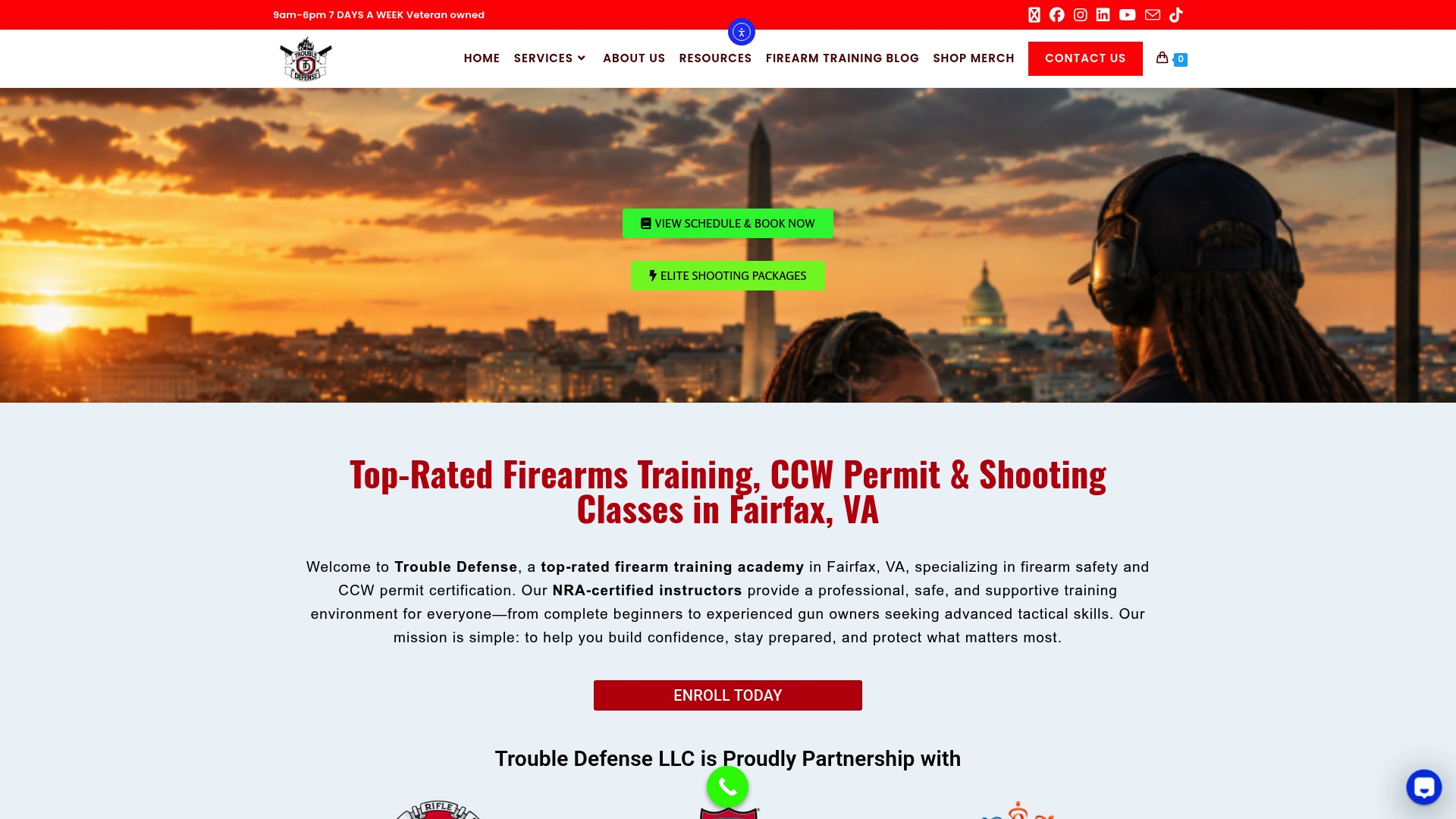
Whether you need a Virginia CCW certification or a Maryland Wear and Carry course, Trouble Defense provides certified NRA instructors, hands-on live-fire training, and full legal education in one place. The academy also offers dedicated women’s firearm training and adaptive programs for individuals with disabilities, making professional instruction accessible to every new owner. With over 300 five-star Google reviews, Trouble Defense has built a reputation for turning nervous beginners into confident, responsible gun owners. Contact Trouble Defense today to schedule your first class and get started the right way.
FAQ
Do new gun owners legally need training in Virginia?
Virginia does not require training to purchase a firearm, but a certified safety course is required to obtain a concealed carry permit. New owners are strongly advised to complete training before handling any firearm.
What does a basic firearm safety course cover?
A quality course covers safe handling, secure storage, state and local laws, use-of-force rules, and live-fire practice. The Massachusetts 2026 BFS curriculum also includes suicide prevention and conflict avoidance instruction.
How does training reduce the risk of accidents at home?
Training replaces unsafe habits with automatic, rule-based behaviors like muzzle discipline and trigger control. Combined with secure storage education, it significantly reduces the risk of accidents involving children or unauthorized users.
Is women’s firearm training different from standard courses?
Women’s firearm training addresses grip, stance, and equipment choices specific to women’s physiology, and typically offers a more supportive learning environment. Trouble Defense offers dedicated women’s courses in Fairfax, VA.
How do I know if a training course meets Maryland HQL requirements?
Confirm with the provider that their course is approved by the Maryland State Police before enrolling. Trouble Defense’s Maryland Wear and Carry training meets state requirements and includes all legally mandated curriculum components.