
Table of Contents
ToggleThe Hidden Fallout: How a Government Shutdown Impacts Personal Safety, Gun Laws, and Overall Well-Being
Understanding the Government Shutdown
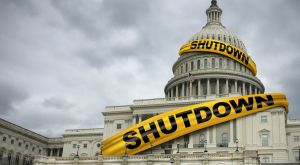
A government shutdown occurs when Congress fails to pass a budget or continuing resolution to fund federal agencies. When that happens, many departments halt operations, federal workers are furloughed, and public services slow down.
While the news usually focuses on political gridlock, the deeper concern is how a shutdown trickles down to personal safety, gun ownership, and the mental and financial health of everyday Americans.
How a Shutdown Impacts Personal and Public Safety
When funding stops, so does the full function of several safety-related agencies — and that affects everyone.
Emergency and Law Enforcement Delays
Agencies like FEMA, DHS, and the DOJ continue only “essential” operations during a shutdown. Training programs, community grants, and safety-readiness projects often pause.
That means fewer resources available for local police departments, delayed emergency responses, and canceled safety events.
For individuals, that translates to one thing — you are more responsible than ever for your own preparedness.
Everyday Well-Being and Security
Stress levels rise when federal employees miss paychecks and families lose access to services like WIC, SNAP, or health programs.
This can lead to increased anxiety, financial instability, and even neighborhood crime, as economic uncertainty often correlates with spikes in theft or desperation.
When the system is shaky, your family’s safety plan matters more than ever.
The Effect on Gun Laws and Firearm Owners
A government shutdown doesn’t just affect federal paychecks — it also shakes the firearms community.
Background Checks and Delays
The NICS (National Instant Criminal Background Check System) usually keeps running since it’s an “essential” service.
However, staff shortages and reduced processing power can cause delays in background checks, meaning firearm purchases might take longer.
For firearm trainers and business owners like Trouble Defense LLC, this delay can slow down class registrations, training enrollments, and license applications.
Licensing, Transfers, and ATF Processing
The ATF (Bureau of Alcohol, Tobacco, Firearms and Explosives) handles FFL renewals, NFA applications, and import/export licenses — all of which may be stalled.
That means gun store owners, firearm instructors, and responsible gun owners could see backlogs in paperwork or approval delays.
Even though your rights remain intact, the logistics of exercising them can temporarily freeze.
Mental Health, Stress, and Overall Well-Being
Financial strain, political tension, and safety concerns combine during a shutdown to form a perfect storm of stress.
Federal and local mental-health programs may pause, and that loss of support can lead to burnout, depression, or anxiety.
At times like this, community matters most. Stay connected with family, local safety instructors, or trusted firearm training organizations that encourage calm, readiness, and education — not panic.
Staying Safe and Prepared During Uncertainty
You can’t control what happens in Washington, D.C., but you can control how ready you are at home and in your community.
Practical Tips
Keep training – Safety education and preparedness don’t depend on Congress. Continue range practice and home-defense drills.
Secure your firearms – Double-check your storage, ammo, and access controls.
Budget wisely – Expect economic slowdowns. Set aside funds for essentials.
Support your neighbors – Look out for your community; strong neighborhoods stay safer.
Stay informed – Monitor NICS or ATF updates for any changes affecting firearm transactions.
Conclusion: Resilience Starts with Readiness
A government shutdown reminds us that personal security and community strength start at home.
From background check delays to emotional fatigue, the effects are real — but so is our ability to adapt.
At Trouble Defense LLC, we believe preparedness isn’t political — it’s practical. Whether it’s firearm safety, situational awareness, or self-reliance training, staying educated is the best way to protect yourself and your loved ones, no matter what happens in Washington.